For the past few years, a web-based learning platform has been quietly providing invaluable learning resources free of charge to pathology staff and students in the UK and beyond. A joint venture between The Royal College of Pathology and National Health Service (NHS) England, the Pathology Portal is growing from strength to strength thanks to the generosity of the volunteers who curate it.
On the portal's fourth anniversary, we spoke with its founder, Jo Martin, to learn about its backstory and enduring impacts.

What is the Pathology Portal? And who is using it?
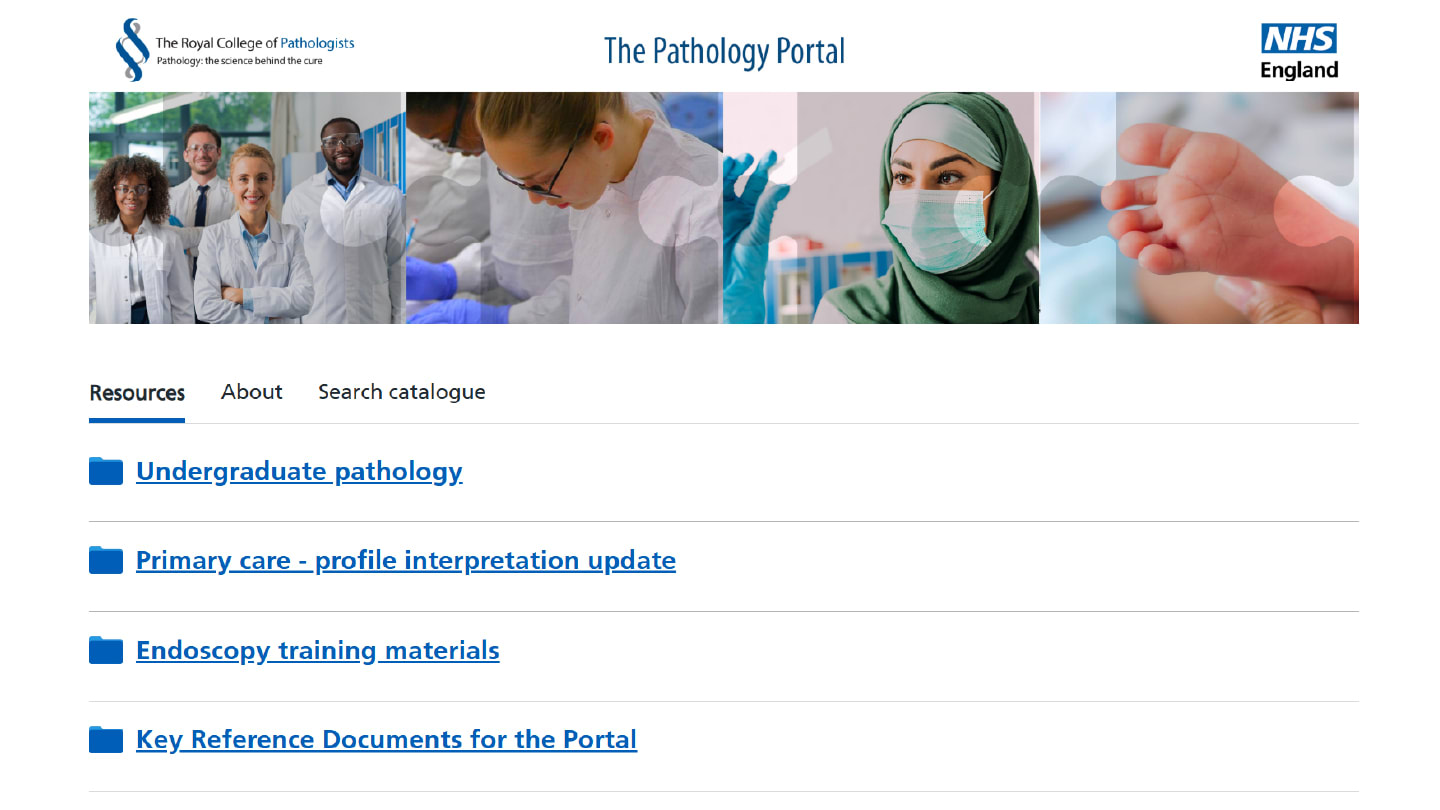
The Pathology Portal is a platform that offers free, quality assured, curated content to anyone in the NHS and university learners. Alongside set-piece education like recorded lectures, it also provides clinical cases in a way that mirrors practice. Content covers 16 areas of clinical practice.
The platform has nearly 8,500 users across pathology, from undergraduate students of biomedical sciences and medicine, through to senior leaders who use it for continuous professional development (CPD). Although it's a UK initiative, we have users from all over the world, as well as international content contributors.
How did the Pathology Portal come about?
The idea arose just before the COVID pandemic, when I was President of the Royal College of Pathologists. The lack of a learning platform dedicated to pathology led to difficulties in sharing knowledge. The College and the NHS didn't feel equipped to serve modern learners in the way they acquire information. We wanted to create a high quality, easily searchable, digital platform that enabled all our members to have access to the same materials.
Knowing that NHS England was already providing online learning, we started looking at their platform. But it wasn't at all suitable – clunky and expensive, with complicated content upload. However, when we spoke to the NHS England Technology-Enhanced Learning (TEL) team, we learned that they were in the process of creating a new, modern platform: the NHS Learning Hub.
That was just what we were looking for. We sourced some funding, created a program board, and partnered with the NHS Learning Hub to develop the functionality of the platform, using pathology as the starting point.
What were the requirements for the platform?
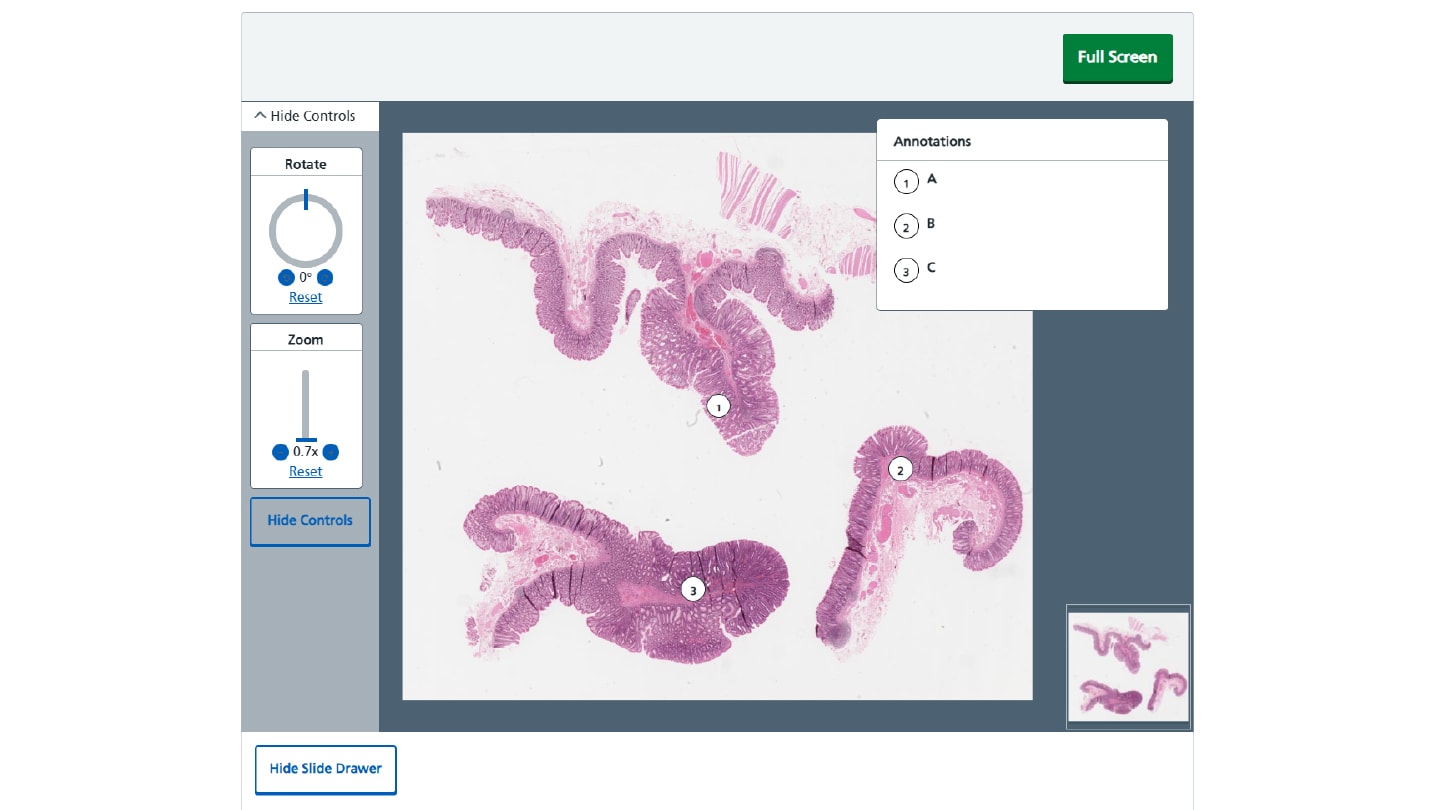
We wanted the ability to post patient cases that included whole-slide images, text, data, videos, and sound files. It needed to reflect the myriad of ways in which scientists and clinicians are presented with cases and data in practice. We advised on how the content should be grouped, ordered, and tagged for searching. Interactivity was built in to accommodate quizzes and questions for CPD records. The College team was involved in all aspects of design, from appearance to functionality.
It was also essential for the portal to be accessible to learners with different needs. It is audited against government standards for accessibility, and we have had user experience feedback throughout.
How has the Pathology Portal grown and evolved over its 4-year lifetime?
The content and users are growing all the time. Since its launch in 2022, the portal has logged over half a million uses of the materials, equivalent to around £9.2 million pounds worth of training. We've also added an external quality assurance (EQA) element, which has been very well received. However, there's an ongoing "wish list" of functionality that we continue to work on with the TEL team.
What is the approach to commissioning the content?
Most of the content is donated by members of the pathology community. Consequently, some disciplines are better populated than others. But, ultimately, it's a crowdsourcing activity. It's an absolute celebration of the willingness of people to share their material and expertise.
An example of one such unusual, but amazing contribution is that from a Ukrainian endoscopist who allowed us to use a wide range of videos to help trainees better understand the pathology they see.
We have one paid Clinical Director post, and a student and trainee fellowship as funding allows. But content review, upload, and management is generally handled by volunteers. One key group is the editorial board, which reviews feedback and content across the entire site and advises on any gaps to be filled.
How is the content quality control handled?
For each discipline, an editorial group and lead editor review submitted content before it is published.
The site also includes functionality to report an issue. So, if a user questions any of the information given about a case, it can be investigated, corrected, or removed, very promptly.
A great deal of work also happens in the background to keep the content up to date. Say the taxonomy changes in a particular field, or molecular discoveries in a certain disease have advanced, our editors are regularly revising and appending cases to accommodate updates.
How would you describe the value of the portal to the pathology community?
It has been extremely well received. That is evidenced by the continually expanding user base – as well as the innovation and digital awards it's won.
Trainees in pathology find it invaluable. For those studying for the Certificate in Higher Autopsy Training, for example, it provides a unique resource. There's nothing equivalent out there.
We do collect feedback from users, and it's really positive.
Why is the availability of free educational materials for pathology important to you?
I think any financial cost to training is a barrier. Having the ability to train, retrain, or upskill in your own time, to your own agenda, and without additional cost, is part of the whole ethos of the NHS, and we should always support it.
I've had a career where people have been generous and collaborative in sharing their expertise. It's how I think the world should be. We have a fantastic community of experts within pathology, who want to share their knowledge, and giving them an easy way to do it is really important.
How can readers of The Pathologist become involved?
If you have a collection of fantastic cases, a series of materials that you've been teaching, or recordings of current lectures, please get in touch. Similarly, if you'd like to donate some of your time, join us to become an editor.
Or just sign in, request access, and enjoy!
https://learninghub.nhs.uk/catalogue/pathologyportal
Email: pathologyportal@rcpath.org
Newsletters
Receive the latest pathologist news, personalities, education, and career development – weekly to your inbox.
