
Dr Sanjay A. Pai is a surgical pathologist based in Bengaluru, India, known for his work in diagnostic pathology, medical ethics, and pathology education. Trained at Grant Medical College and Tata Memorial Hospital, Mumbai, he has led pathology departments at major hospitals, including Manipal Hospital-Yeshwanthpur.
Alongside his diagnostic practice, Pai has contributed extensively to medical literature, pathology teaching, and healthcare policy, particularly in areas such as research integrity, ethics, and strengthening pathology services in low- and middle-income countries. He has served on the editorial board of the Indian Journal of Medical Ethics and has been involved with multiple Indian Council of Medical Research ethics committees.
Here, Pai takes time out to discuss the key influences on his career, and the importance of autopsy and pathology education in India.

Can you tell us about the people and experiences that shaped your approach to pathology and medicine?
I have always considered myself extraordinarily fortunate to have had exceptional mentors throughout my life. From school and college through medical training, I was taught by remarkable educators with diverse interests and teaching styles. But I think those influences began even earlier.
My maternal grandfather was India’s first cement researcher, while my uncle, a general practitioner in Madras (now Chennai), was a role model not only for me but for nearly everyone who knew him. My father, a pathologist, was deeply respected for his diagnostic skill, ethical approach to medicine, and commitment to social work – and he remains widely remembered more than 20 years after his passing.
At Grant Medical College in Mumbai, and later at Tata Memorial Hospital, I had the opportunity to learn from some of the leading figures in Indian oncology, including several giants in the field, two of who sadly passed away in 2025. A subsequent year in cytogenetics at MD Anderson Cancer Center in Houston also exposed me to a very different scientific environment and approach to research.
Even today, I continue learning from younger colleagues and students – many of whom are far smarter than I am.
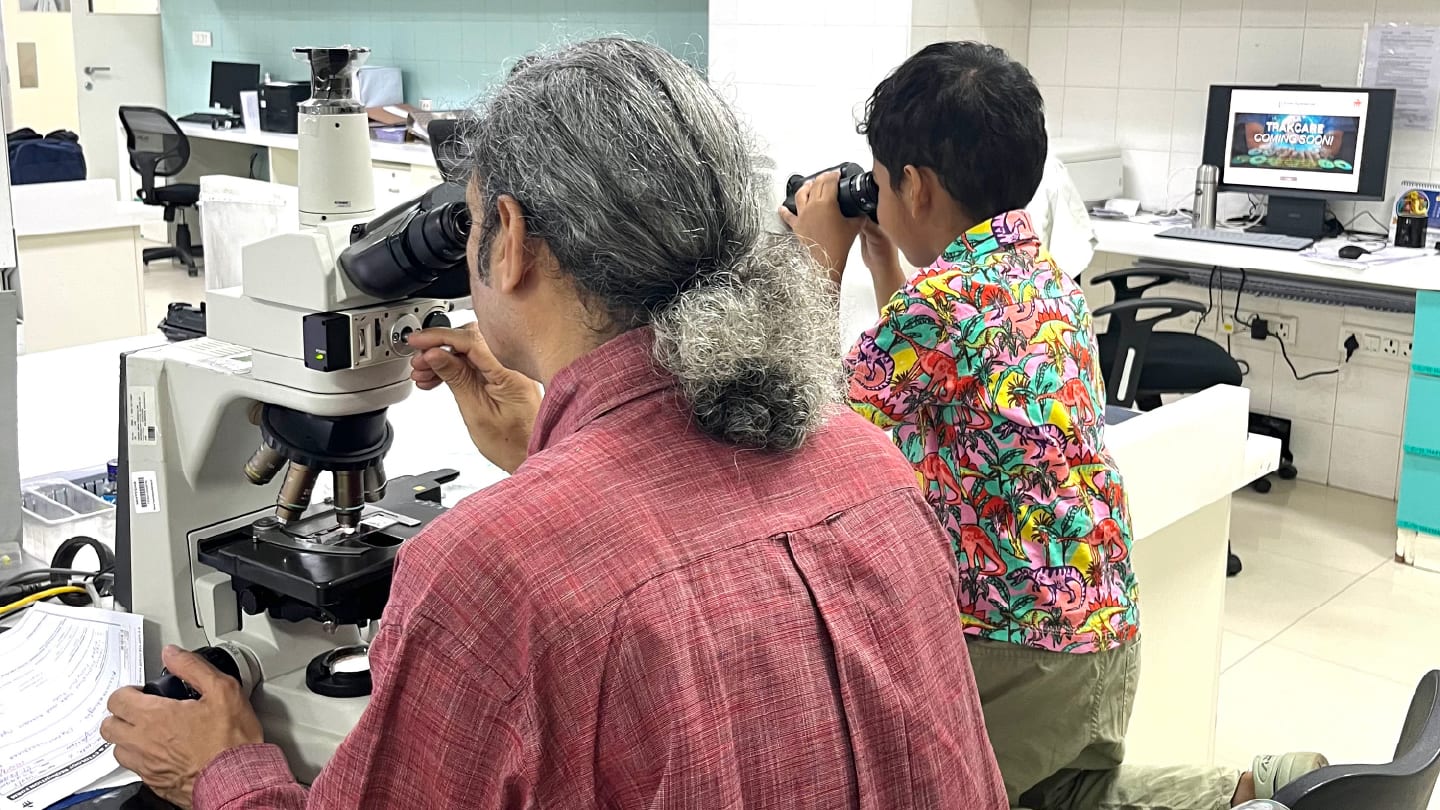
How did moving from a cancer center to a high-volume private practice change your approach to surgical pathology and your professional identity?
I trained at Tata Memorial Hospital, one of India’s busiest cancer centers, where I was immersed in highly specialized oncologic pathology and exposed to complex referral cases from across the country.
Moving later to a general hospital in Bangalore was both humbling and transformative. I shifted from a narrow focus on cancer pathology to broad-based surgical pathology, covering everything from benign disease to GI, liver, and dermatopathology.
I once described this transition as like moving from a “hedgehog” to a “fox” – inspired by Isaiah Berlin’s idea that “the fox knows many things, but the hedgehog knows one big thing.”

What was it like to practice pathology at India’s premier cancer institute, and what lessons from those years still guide you?
My time at Tata Memorial Hospital brings to mind Wordsworth’s line: “Bliss was it in that dawn to be alive, but to be young was very heaven.”
The early 1990s was an exciting period in pathology. Immunohistochemistry and fine-needle aspiration cytology (FNAC) were just beginning to transform diagnostic practice, and it felt as though we were ahead of the curve compared with many teaching institutions in India at the time.
The motto of Tata Memorial Hospital is “Service, Research, Education,” and I believe that philosophy remains highly relevant for all medical professionals. Our primary responsibility is service to the patient. Research is equally important because it encourages continual learning and deeper understanding. And doctors also have a responsibility to share knowledge – with colleagues, trainees, and the wider public.

How did your experience performing fetal and perinatal autopsies – and helping establish one of India’s few dedicated services – shape your understanding of pathology’s role in supporting families, clinicians, and society?
I became involved in fetal and perinatal autopsies after a fetal medicine consultant asked whether I could help correlate autopsy findings with prenatal imaging diagnoses. Although I had never performed one before, I agreed on the condition that radiologists would actively participate in the process. Over the following years, we performed more than 300 autopsies together and found that imaging diagnoses were usually highly accurate.
The work was both educational and challenging. I was largely self-taught, so I relied heavily on collaboration with colleagues in subspecialties such as cardiac pathology and neuropathology. Just as importantly, the experience taught me how to communicate with bereaved families – something pathologists are rarely formally trained to do.
Although I no longer perform autopsies regularly, the experience profoundly shaped my understanding of pathology’s role in medicine and society.

How have your views on diagnostic error, disclosure, and learning from mistakes evolved over the course of your career in India?
I cannot, somewhat surprisingly, remember exactly when I first became interested in the subject of diagnostic error. I do recall thinking seriously about it in the early 1990s, shortly after completing my MD. Like all physicians, I would like to always be correct, but of course that is impossible.
In 2000, after moving from Mumbai to Bangalore, I enrolled in a postgraduate diploma program in Medical Law and Ethics at the National Law School of India University. As part of the course, I had to complete a thesis, and I chose the topic of error in surgical pathology in India. As expected, there was almost no published Indian data on the subject, so I designed and circulated a questionnaire to physicians and later published a paper based on the findings.
Early in my career, I learned to recognize and accept my limitations. In fact, one of my mentors even mentioned this quality in a recommendation letter she wrote for me in 1992. I have never found it difficult to admit when I do not know a diagnosis or when a second opinion may be necessary.
I often think of a line written by Robert Hutter many years ago: “As pathologists get older they may not get smarter, they just word their reports better.” I certainly hope, however, that I continue learning from my mistakes along the way.
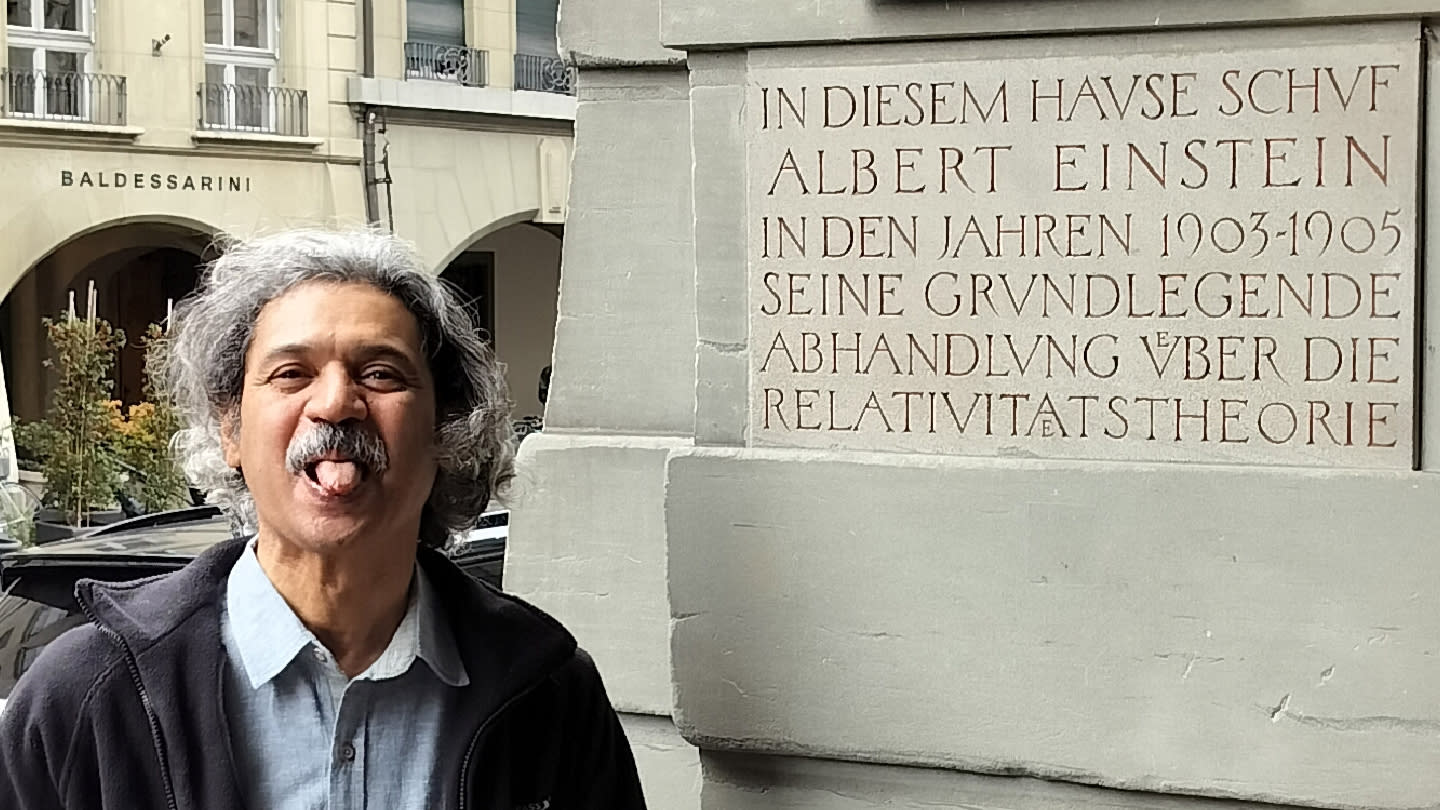
You practice as a general surgical pathologist with a special interest in GI pathology. What are the strengths and challenges of this broad-based model in India today?
Medical practice in India has shifted from smaller independent clinics and laboratories toward larger corporate hospital networks, particularly in cities. As a result, most pathologists continue to practice broad-based surgical pathology across a wide range of diseases, often within relatively small departments.
One strength of this model is the variety of cases and diagnostic challenges it offers. However, subspecialty training has not expanded sufficiently within many Indian medical colleges, raising concerns about future shortages of expertise in rare or highly specialized diseases.
How does your engagement with medical history and the humanities influence your work?
My interest in history – particularly the history of medicine and science – and humanities comes largely from the simple pleasure they give me. Ironically, I was not especially interested in these subjects during school, despite having excellent teachers.
Over the years, however, I have found that interests in one field often lead unexpectedly to another project. A couple of years ago, for example, I encountered a solid cell nest in the thyroid and became curious about its history. That eventually led me to research the lives and discoveries of three remarkable women scientists.
I also try to incorporate elements of medical history and, where appropriate, English literature into many of my articles and lectures, because I believe they add context, perspective, and humanity to medicine.
What does the autopsy represent to you personally, and to Indian medical training and healthcare?
My interest in autopsy likely began with my father, who often spoke about its educational value. As a student and later as a trainee, I found autopsies invaluable for understanding systemic disease and clinicopathologic correlation. To me, they were a form of detective work – reconstructing the story of disease.
The dramatic decline of autopsies in India has serious implications for medical education and disease understanding, patterns, and incidence. My generation may be among the last to have performed them regularly, and many younger pathologists today have never even witnessed one.
What are the biggest challenges facing pathology education and training in India today?
India is currently experiencing a rapid expansion in the number of medical colleges, and I worry that many new institutions will face the same limitations already seen in existing training centers.
The standard of pathology and laboratory medicine in many colleges still leaves much to be desired. In many cases, the laboratory facilities available would not meet the routine standards expected even in relatively modest hospitals in the West. That is a serious concern for medical training and patient care.
Our regulatory bodies also need to recognize that quality matters far more than quantity. A smaller number of well-trained doctors is ultimately far better than producing large numbers of inadequately trained graduates.
How do you encourage critical thinking, collaboration, and mentorship among younger pathologists and researchers in India?
I often speak about scientific writing and regularly encourage dissent and critical thinking. In India and across much of South Asia, there is a strong cultural tendency to defer to seniority. While there is nothing inherently wrong with respect for experience, in science it can sometimes lead to unquestioned acceptance of incorrect ideas, which may ultimately affect patient care and hinder critical thinking.
I am very comfortable being questioned by younger colleagues and students, and I often remind them not to believe every word in a textbook. After all, if everything were correct, there would be no need for new editions.
I also strongly believe that younger researchers who do the work and write the paper should be first authors, while senior mentors should take the last-author position. That approach was encouraged during my training at Tata Memorial Hospital and shaped my own career. Early on, I was first author on most of my papers; later, I naturally transitioned into the last-author role.
Another principle I value deeply is collaboration. Working with colleagues from different institutions, both within India and internationally, has consistently improved the quality and perspective of scientific work.
As someone largely “behind the scenes,” how can pathologists in India engage more meaningfully with patients and the public?
When I was invited to join a state government committee related to healthcare in 2018, I initially considered declining. But I realized pathologists need to be more visible and involved in public healthcare discussions, so I accepted.
I was the only pathologist on the committee, which highlighted how underrepresented our specialty can be outside academic centers. Still, I think the public generally appreciates the importance of laboratory professionals, even if much of our work happens behind the scenes.
Finally, what still excites you about pathology, and what goals for Indian pathology continue to motivate you today?
There is still much left for me to learn, and I’m most excited when I encounter a disease, structure, or entity that is unfamiliar to me. I have always been drawn to curious and unusual cases, and I enjoy sharing those discoveries with colleagues through writing and teaching.
More broadly, I hope to see major improvements in pathology workforce planning and laboratory services in India’s public hospitals, because patients deserve better access to high-quality diagnostic care.
Newsletters
Receive the latest pathologist news, personalities, education, and career development – weekly to your inbox.
