Every Mother's Day I miss my mother especially dearly. This year marks 10 years since her passing, and also 20 years since I began mentoring international medical graduates to enter US residency programs – particularly pathology residencies and fellowships. I would like to share with you how my mother inspired this aspect of my work.
My mother became an orphan at the age of 3 or 4, losing her own mother to endemic typhus. Aged 18, she joined the Chinese army and became a cultural instructor, teaching illiterate soldiers and officers to read and write. After her discharge, this aptitude for teaching led her to an impoverished mountain village, where she served as Principal of an elementary school.
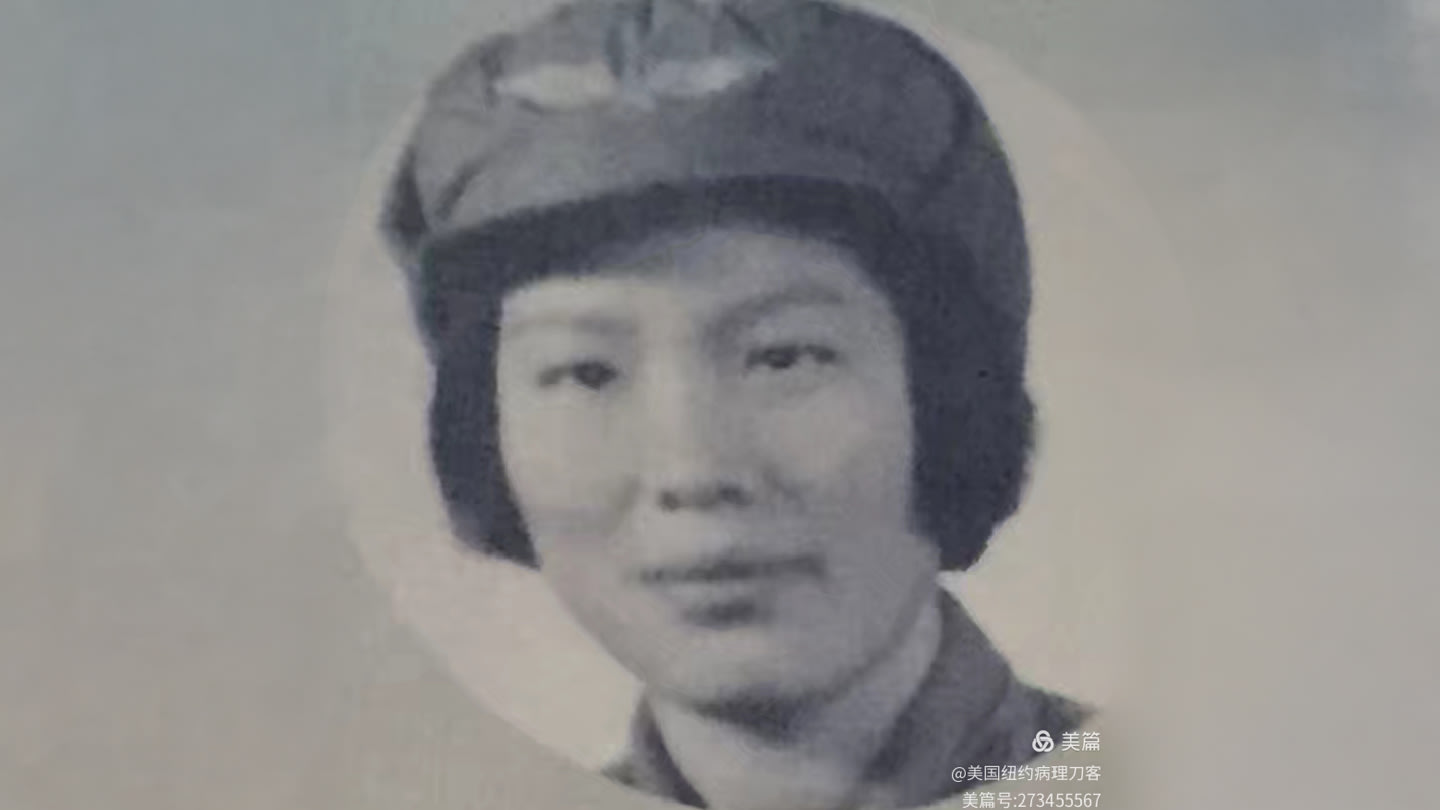
She dedicated her entire life to teaching and nurturing students. Not only did she teach those poor children literacy and knowledge, but she also cared for their welfare. Noticing that many of the children had long, unkempt hair, she would spend breaks giving haircuts. At first, she could only offer buzz cuts, but gradually her hairdressing skills improved. Over the years, she cut the hair of countless students, and her right hand developed calluses from the scissors – a testament to her selfless hard work.
My mother's nurturing nature began to shape my own personality. She took me to her rural school, where I studied and played with the children, telling them fairy tales and stories of ancient and modern warriors that I had read about. The kids loved my storytelling, and after listening, they would take me up the mountains into the woods to have adventures. Those were the happiest times of my childhood...
My mother said that as an elementary school teacher, her greatest joy and pride was seeing her students grow up healthy, literate, idealistic, moral, and contributing positively to society. Her influence was evidenced in one particularly disruptive child who came back to visit her years later, a wealthy and respected businessman. "Without your education and careful consideration, I wouldn't have this happy family or successful career today," he told her.
Those lessons became deeply etched in my mind and woven into my life. After successfully completing my US pathology training and starting my career in the US, the thing I wanted to do most – besides clinical and academic duties – was to help others do the same. I decided to use my knowledge and hard-earned lessons to mentor other international medical graduates into US residencies.
I saw the strong desire of many international medical graduates to become US clinicians – but also their struggles to understand and engage with the US clinical culture. As first-generation immigrants, they struggled to work and support their families. I watched them juggling their limited time, studying for the USMLE exams and getting decent but not stellar scores, failing interviews again and again. I saw anxiety, depression, and frustration that left many feeling hesitant and lost. They reminded me of the poor, illiterate village children my mother once taught...
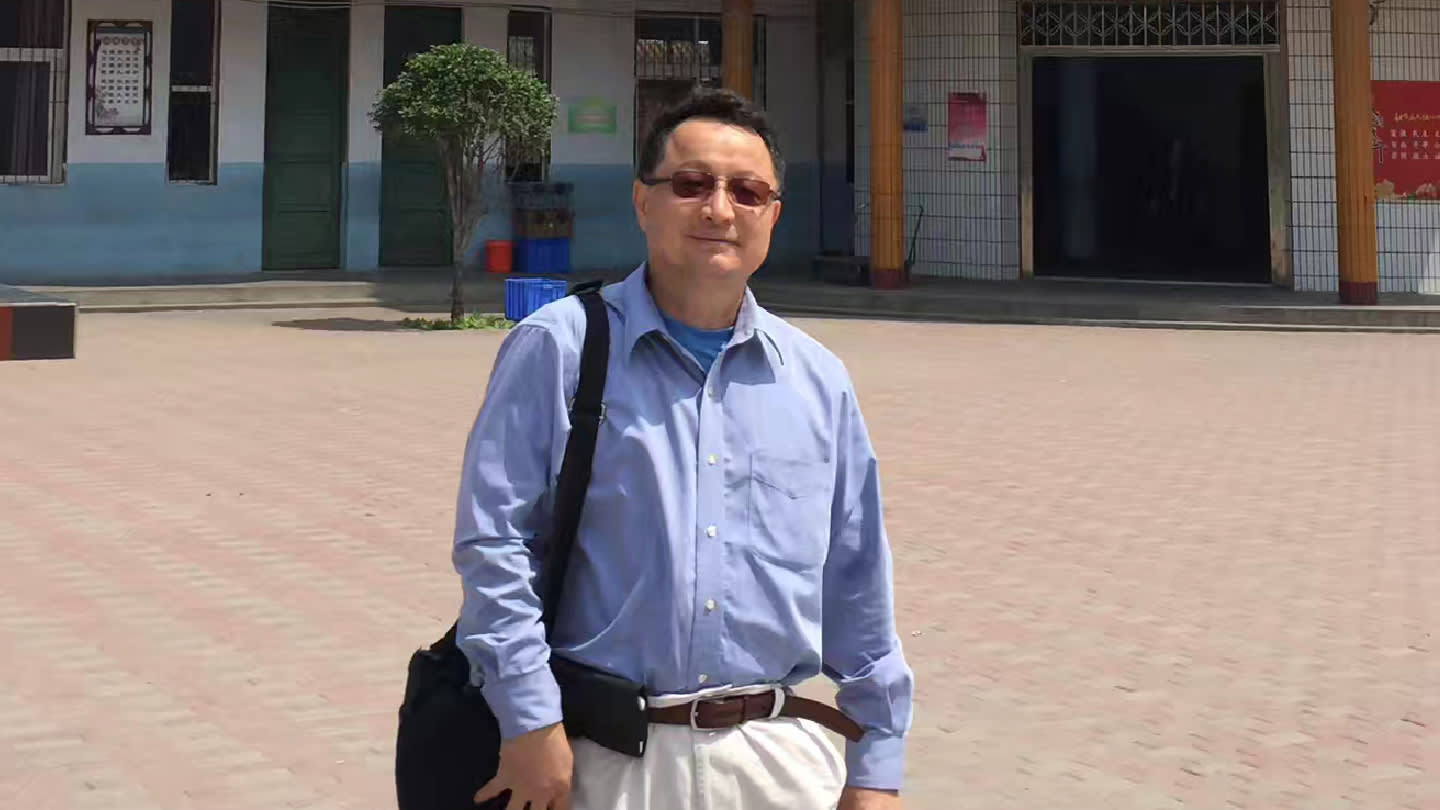
In these 20 years, I have felt compelled to help those struggling to establish their careers. Through phone calls, emails, online and offline lectures, I have shared my knowledge. Every application and interview season, I host guidance sessions on Zoom and YouTube, inviting successful doctors, program directors, and students I've mentored who matched into residencies, to share their experiences. After Match Day, I hold another session – "How to Safely Navigate the Toughest First Six Months of Internship" – guiding admitted students on residency work, study, and lifestyle to help them adapt to their new life challenges.
My mother's legacy also inspired me to offer face-to-face training and mentoring in the form of pathology internships for international medical students. I was careful to include not just pathology knowledge and lab skills in these courses, but also an understanding of US clinical culture. One of the most valued aspects was the mock recruitment interviews, which we filmed at the start and end of the training. The students were often amazed at their own improvement. I told them, "Seeing your own efforts and changes is the greatest motivation and progress; that's the purpose of my intensive training – I want to see you succeed!"
Often, at conferences, I run into my former trainees. Many are now fellowship-trained, practicing independently, or even directing their own university programs. They share their stories with me enthusiastically. Sometimes, strangers stop me to thank me profusely for articles or lectures on entering pathology residency that helped them succeed. At one conference, during lunch break, a pathologist approached me. "Dr He, you don't know me," he said. "After two failed applications, I was despairing and nearly quit. Your articles and lectures gave me the persistence; at age 50, I matched with a university pathology residency. Graduating this June, I'll start a GI pathology fellowship at an Ivy League program. Thank you for the support, inspiration, and effective interview guidance that got me here." His words moved me to tears; we shook hands and hugged tightly...
Whenever I hear of my former trainees matching successfully, entering top fellowships, or landing dream jobs, I'm deeply moved and filled with pride. Most importantly, I think of my mother – the elementary teacher who devoted her life to education – and her teachings. I feel proud to have continued her legacy of nurture, guidance, and hopes.
Mother, in heaven, do you hear my call? Have you heard the stories I tell you? I believe you're happy and proud of your son and these years. This is my Mother's Day gift to you!
Rest in peace, Mother.
Newsletters
Receive the latest pathologist news, personalities, education, and career development – weekly to your inbox.



