The Pathologist
  • Explore Pathology

    Explore

    • Latest
    • Insights
    • Case Studies
    • Opinion & Personal Narratives
    • Research & Innovations
    • Product Profiles

    Featured Topics

    • Molecular Pathology
    • Infectious Disease
    • Digital Pathology

    Issues

    • Latest Issue
    • Archive
  • Subspecialties
    • Oncology
    • Histology
    • Cytology
    • Hematology
    • Endocrinology
    • Neurology
    • Microbiology & Immunology
    • Forensics
    • Pathologists' Assistants
  • Training & Education

    Career Development

    • Professional Development
    • Career Pathways
    • Workforce Trends

    Educational Resources

    • Guidelines & Recommendations
    • App Notes
    • eBooks

    Events

    • Webinars
    • Live Events
  • Events
    • Live Events
    • Webinars
  • Profiles & Community

    People & Profiles

    • Power List
    • Voices in the Community
    • Authors & Contributors
  • Multimedia
    • Video
    • Pathology Captures
Subscribe
Subscribe

False

The Pathologist / Power List / 2026 / Power List / John Oyelakin-Ogunbileje

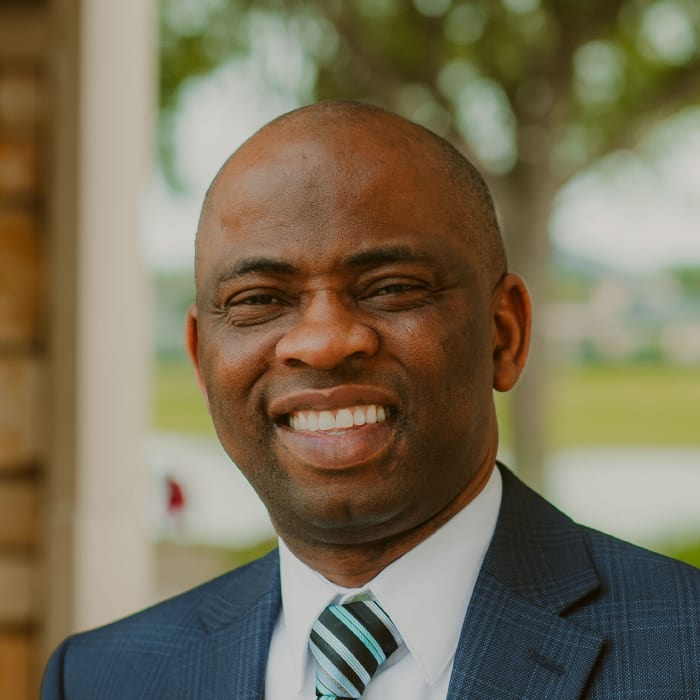
John Oyelakin-Ogunbileje

Assistant Professor of Clinical Pathology and Laboratory Medicine; Medical Director of Clinical Chemistry, Simon Cancer Center; Medical Director of the Sweat Chloride Laboratory, Riley Children’s Hospital; and Associate Section Medical Director of the Core Laboratory, Gas Chromatography, and Automation Chemistry, IUHPL Department of Pathology and Laboratory Medicine, Indiana University School of Medicine, Indianapolis, Indiana, USA.
  • Q&A

About John Oyelakin-Ogunbileje

What is on your laboratory wish list, and how are you working towards making that a reality?

As a clinical chemist with a master’s degree in chemical pathology and a PhD in chemical pathology and toxicology, I understand how difficult it can be to progress from learning the fundamentals of clinical pathology to discussing the discipline with confidence. My goal is to improve medical students’ and pathology residents’ understanding of clinical chemistry so that they no longer see it as a black box.

My approach combines multidisciplinary learning, mentorship through research and quality improvement, and practical teaching. Over the past year, I established an interspecialty forum on myeloma diagnosis involving a renal pathologist, a hematopathologist, and a clinical biochemist. Together, we show residents how the specialties contribute to diagnosing myeloma and interpreting test results.

We have held five sessions for fourth-year residents, each centred on a distinctive case, and are preparing a manuscript about the project. The aim is to demonstrate that modern pathology is most effective when specialties work together rather than in isolation. Resident feedback has been highly positive, with participants saying that the sessions helped them see the complete diagnostic picture. I plan to extend this model to other areas, including liver and thyroid disease.

Mentorship is equally important. Over the past three years, I have mentored at least 10 pathology residents and medical students through research, quality improvement projects, and teaching. This work has led to several case reports and submitted original research manuscripts, with three additional papers in progress. One resident-led quality improvement project is now being implemented across Indiana University Health.

I have also revised the clinical chemistry curriculum to combine comprehensive content with practical learning activities that prepare residents for board examinations and future clinical practice. One resident told me:

“I was nervous when I began studying for the boards and wondered how I would understand and remember all the information. I used several resources, but nothing compared with your laboratory administration and chemistry review sessions. Everything you covered was relevant, and the question-based format was engaging and memorable. Despite my nerves, chemistry became the subject I felt most confident about.”

Experiences like this show that when clinical chemistry is taught clearly and accessibly, residents become more engaged, confident, and prepared for their careers.

Explore More in Pathology

Dive deeper into the world of pathology. Explore the latest articles, case studies, expert insights, and groundbreaking research.

Explore Pathology Infectious Disease

The Viral Frontier

January 23, 2024

1 min read

Explore Pathology Genetics and epigenetics

Breathing New Life into Diagnostics

January 22, 2024

6 min read

Explore Pathology Analytical science

Opening a Window into Brain Trauma

January 18, 2024

4 min read

Newsletters

Receive the latest pathologist news, personalities, education, and career development – weekly to your inbox.

Newsletter Signup Image

False

Advertisement

Recommended

False

Affiliations:

Specialties:

Areas of Expertise:

Contributions:

False

The Pathologist
Subscribe

About

  • About Us
  • Work at Conexiant Europe
  • Terms and Conditions
  • Privacy Policy
  • Advertise With Us
  • Contact Us

Copyright © 2026 Texere Publishing Limited (trading as Conexiant), with registered number 08113419 whose registered office is at Booths No. 1, Booths Park, Chelford Road, Knutsford, England, WA16 8GS.