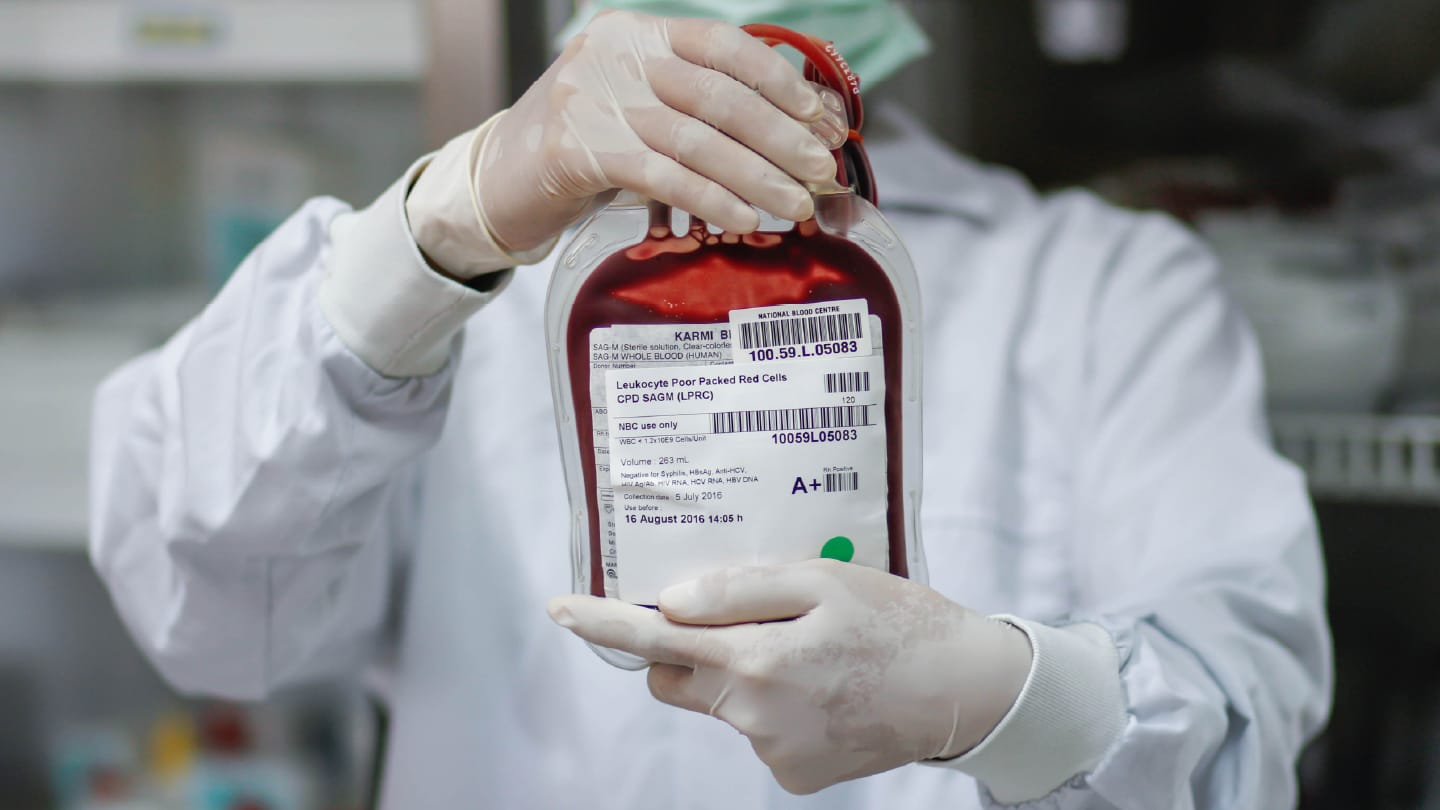
A rapid method for extracting extracellular vesicles (EVs) directly from whole blood could expand access to molecular signals that are lost when samples are processed into plasma, opening new opportunities for diagnostic biomarker discovery. Researchers optimized a protein organic solvent precipitation (PROSPR) workflow that produced purified, structurally intact EVs suitable for detailed protein and lipid analysis.
EVs are small membrane-bound particles released by cells into the circulation. Their molecular contents can change with disease progression and treatment response, making them promising sources of diagnostic and prognostic biomarkers. However, EV research has largely focused on plasma, and the processing required to separate plasma from whole blood may remove potentially informative vesicles.
The optimized PROSPR method requires 200 μL of blood and can enrich EVs in less than 20 minutes using a benchtop centrifuge. The resulting preparations met established purity criteria and retained the characteristic structure and membrane properties of EVs. The researchers also found low levels of contaminating non-EV proteins.
Importantly, whole-blood EVs contained molecular information that was not captured by plasma EVs alone. Protein analysis identified 251 proteins unique to blood-derived EVs, while lipid analysis also distinguished blood from plasma preparations. The blood-derived vesicles showed signals associated particularly with platelets and mitochondria.
The findings could have particular relevance for biobanks, where large collections of frozen whole-blood specimens remain underused for EV research. A relatively simple method that works with stored samples could allow researchers to revisit existing cohorts and search for diagnostic or prognostic markers without requiring prospectively collected plasma.
The study was small, however, and the authors cautioned that some platelet- and mitochondria-associated signals could have resulted from changes occurring after blood collection rather than EVs circulating in the body. Further validation will therefore be needed before biomarkers identified with the approach can move toward clinical use.
For laboratories, the immediate significance is methodological: whole blood may provide a complementary source of EV biomarkers rather than simply an alternative to plasma, potentially broadening the molecular information available for future diagnostic development.
Newsletters
Receive the latest pathologist news, personalities, education, and career development – weekly to your inbox.