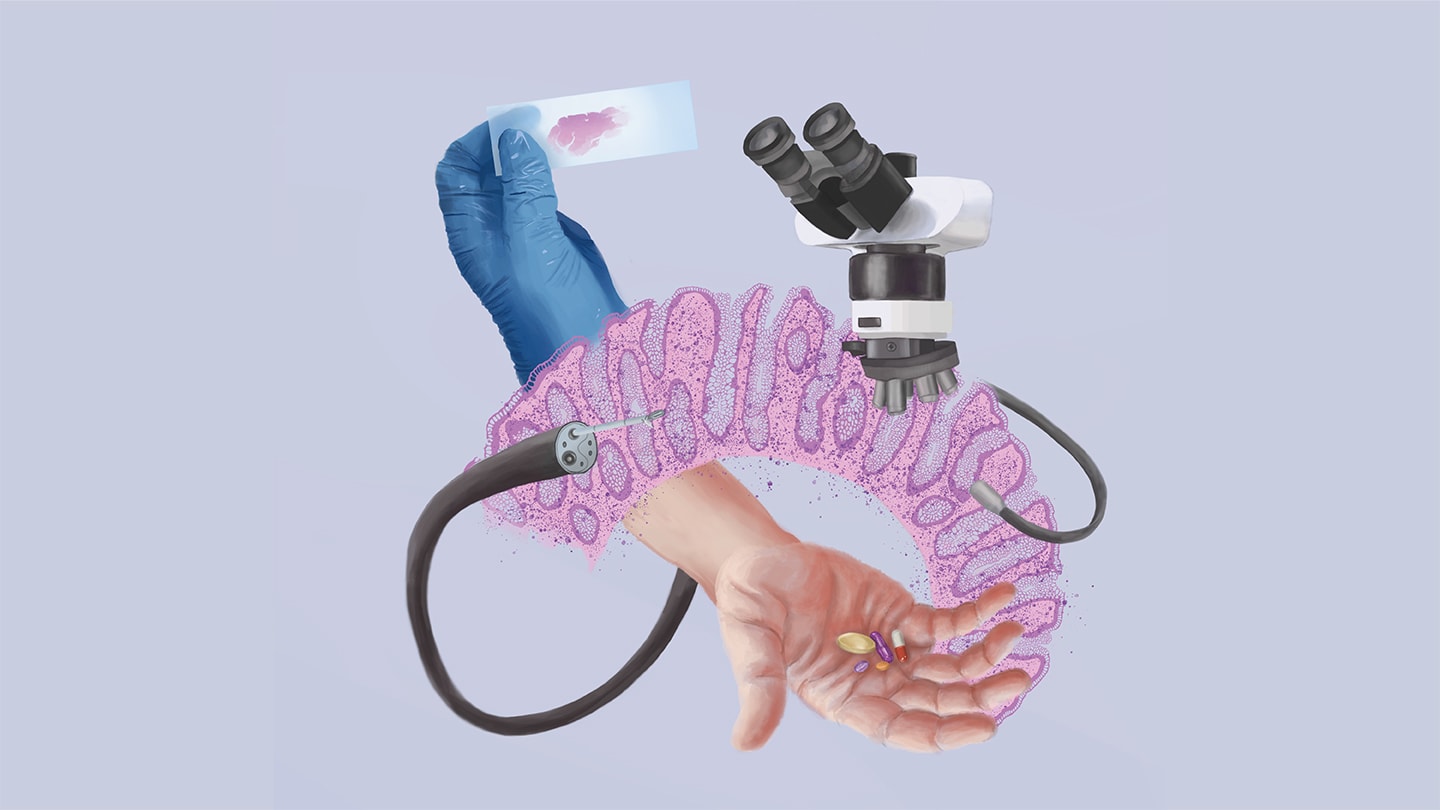
Pathology is a discipline built on close observation. Every day, pathologists interpret color, pattern, texture, and structure to reach diagnoses that shape patient care. In this sense, creativity is not separate from pathology – it is already embedded in the work. The growing #pathart movement simply makes this connection visible.
From histology slides that resemble abstract paintings to cytology smears with striking symmetry, diagnostic material often contains unexpected beauty. Sharing these images as art does not diminish their scientific value; instead, it highlights the visual expertise behind diagnostic practice. #pathart invites pathologists to pause, reflect, and see familiar material through a different lens.
Social media has played a central role in this movement. Platforms such as X, Instagram, and LinkedIn have become informal galleries where pathologists from around the world share images, techniques, and interpretations. These posts spark discussion, encourage cross-subspecialty learning, and make pathology more visible to trainees, clinicians, and the public. In a field that often works behind the scenes, #pathart offers a way to show what pathologists do – and why it matters.
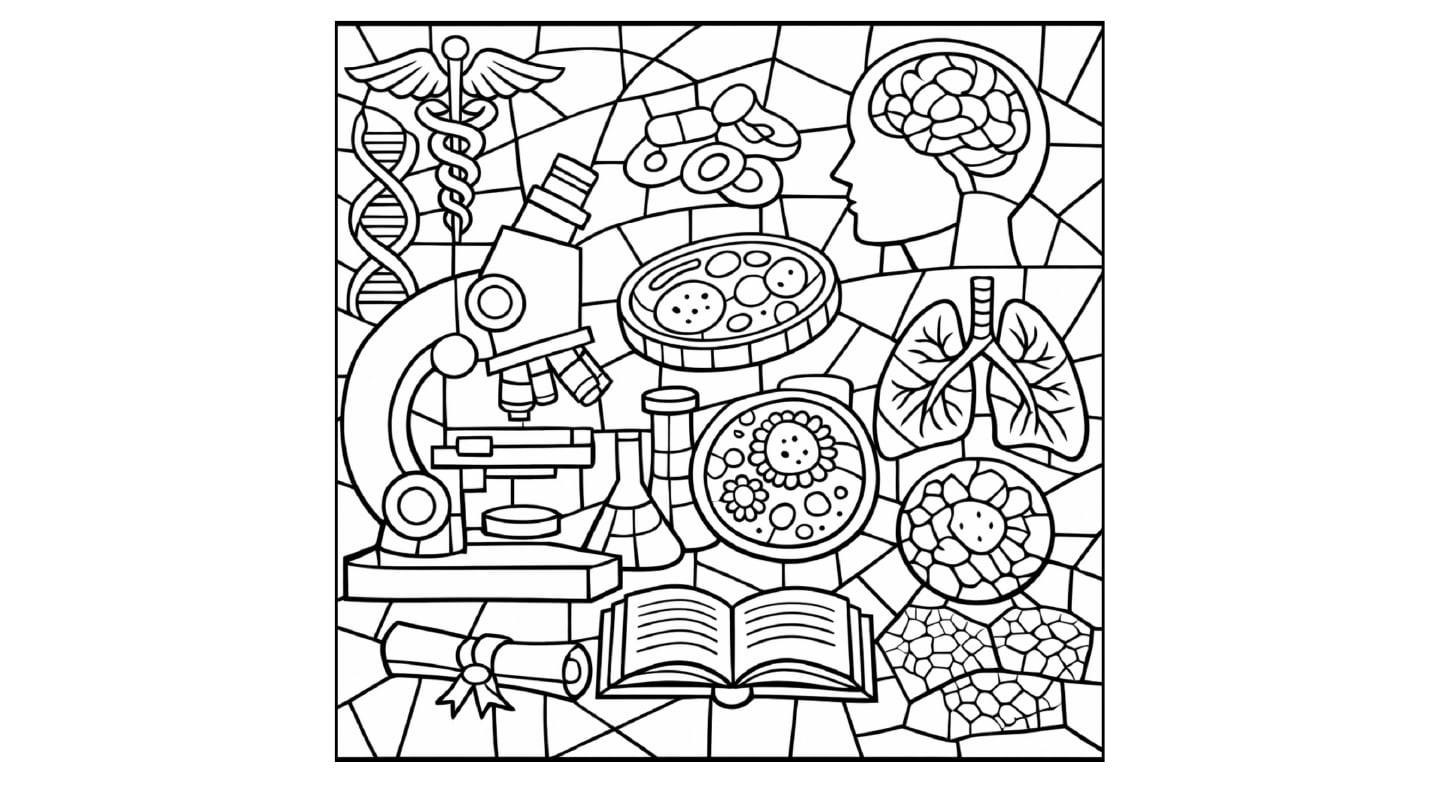
Creativity also supports education. Artistic approaches to pathology images can make learning more accessible, especially for students and early-career professionals. Stylized images, illustrations, and even coloring activities help reinforce pattern recognition, a core diagnostic skill. Engaging with material creatively can lower the barrier to participation and make pathology feel more approachable.
Collaboration is another benefit. Pathology art brings together pathologists, biomedical scientists, trainees, educators, and artists. It creates space for conversation across institutions and continents, strengthening a sense of shared identity within the profession. These connections can lead to new educational resources, outreach initiatives, and innovative ways of communicating diagnostic science.
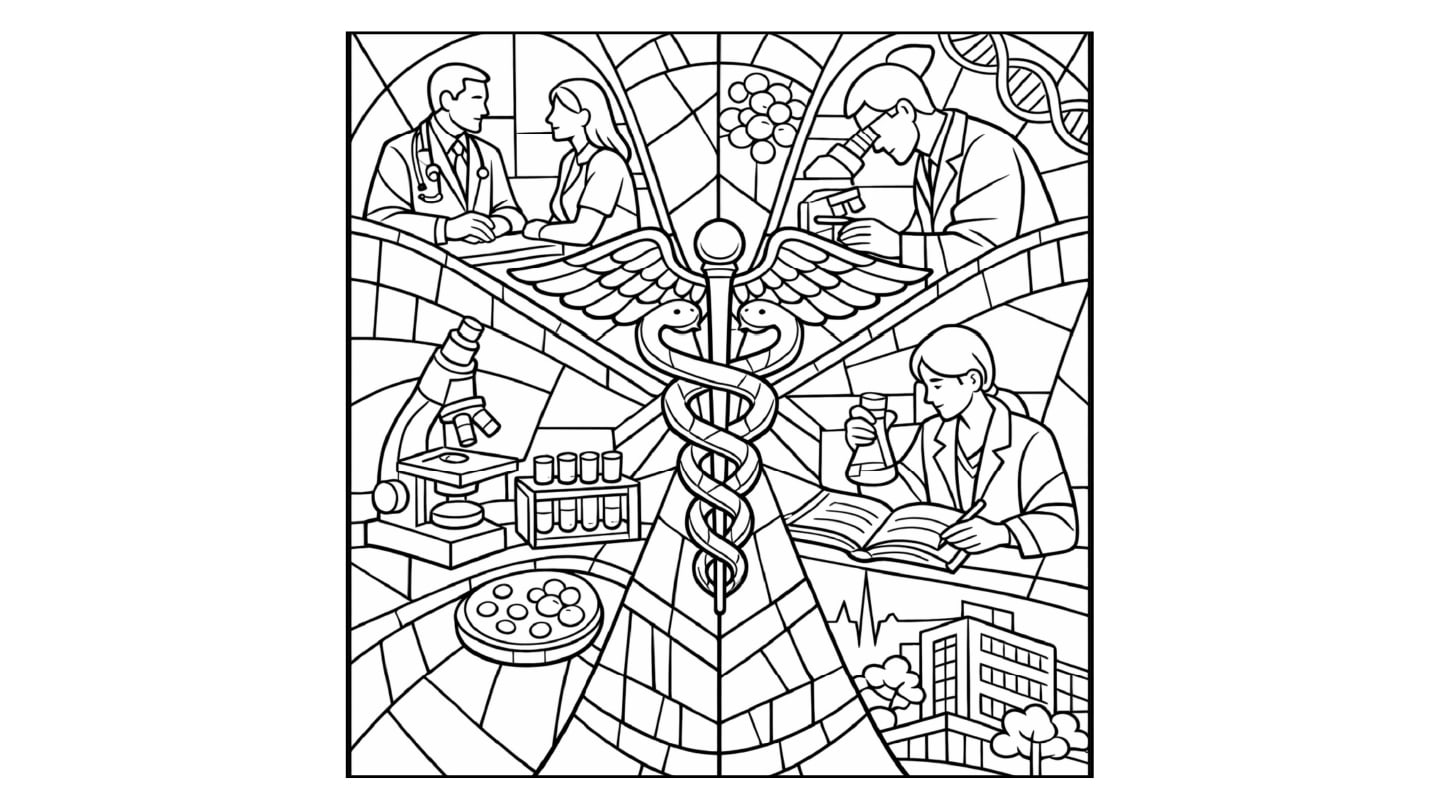
In celebration of this intersection of science and creativity, The Pathologist will soon be sharing its annual Pathology Captures art gallery, showcasing artwork from across the global pathology community. But of course, this isn’t our only #pathart project – we share your creations all year round – displaying images of the month and inviting interviewees to share their creations within our articles.
Are you interested in getting involved in #pathart but don’t know where to start? Below, you can find coloring pages inspired by diagnostic images to print, paint, and create as you see fit. No artistic background required – just curiosity and a willingness to engage.
Whether you post an image, color a slide, or simply explore the gallery, #pathart is an invitation to reconnect with the visual and creative foundations of pathology – and to share them with the world.
Share your creations with us for a chance to be featured in an upcoming article: edit@thepathologist.com
Newsletters
Receive the latest pathologist news, personalities, education, and career development – weekly to your inbox.