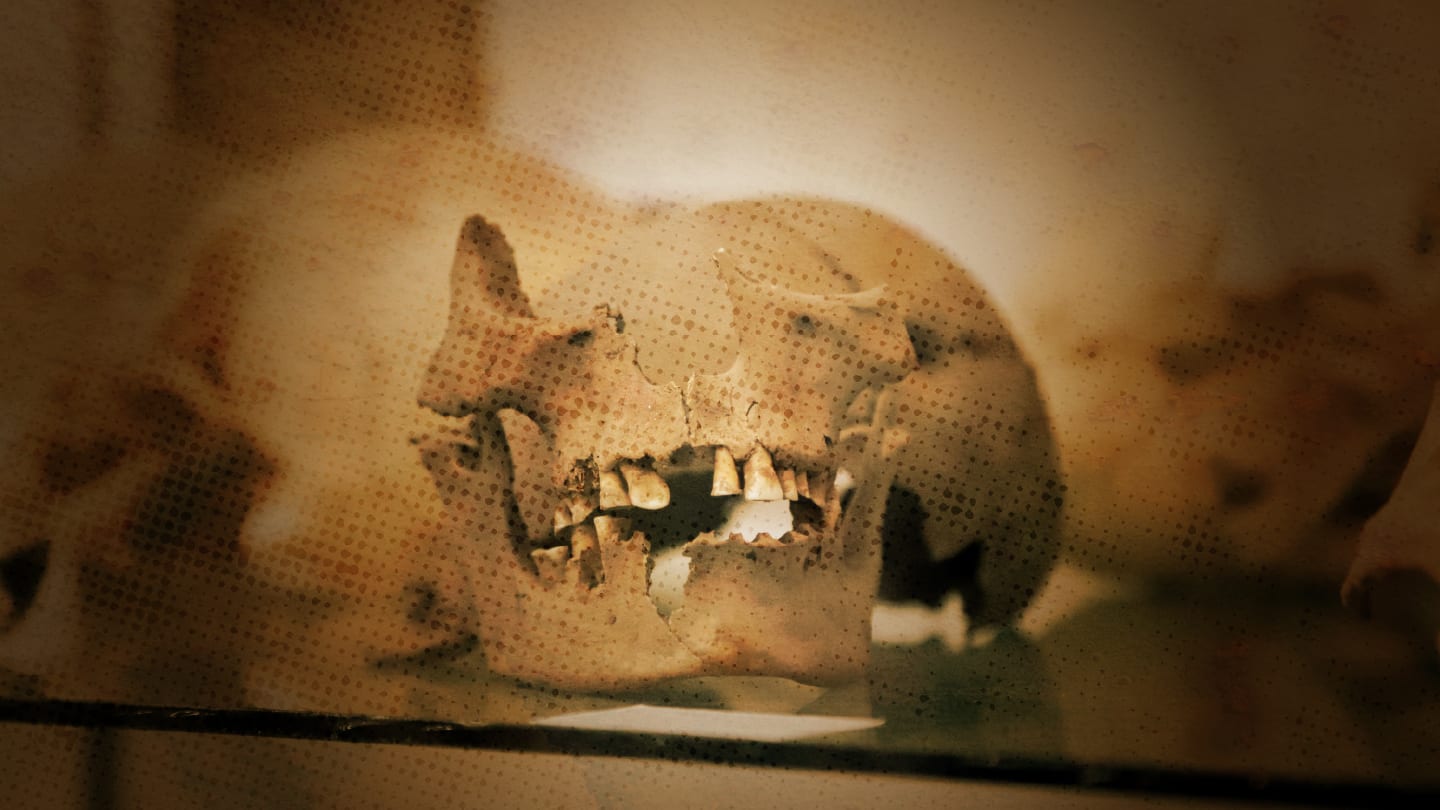
An osteoarchaeological analysis of medieval Danish cemeteries suggests that burial location was more closely associated with social status than with evidence of infectious disease. The study examined 939 adult skeletons from three urban and two rural sites dating from approximately 1050 to 1536 AD.
Researchers assessed skeletal evidence of leprosy and tuberculosis using established diagnostic criteria based on characteristic bone lesions. A probabilistic approach incorporating sensitivity and specificity of lesion types was used to classify individuals as disease-positive or negative.
Spatial distribution analysis did not identify consistent clustering of individuals with skeletal evidence of either disease. Diseased and non-diseased individuals were distributed across cemeteries without clear segregation, indicating no systematic separation in burial placement based on disease status.
Disease-specific patterns were observed. Individuals with skeletal evidence of leprosy were largely absent from urban parish cemeteries, consistent with historical use of leprosy hospitals for care and burial of affected individuals.
In contrast, tuberculosis was identified across both urban and rural populations, with no evidence of differential burial treatment. Individuals with skeletal signs of tuberculosis were buried alongside others within standard cemetery contexts.
Survival analysis showed no significant difference in mortality between individuals with and without leprosy. However, individuals with skeletal evidence of tuberculosis demonstrated longer survivorship than those without lesions. This likely reflects the chronic progression of tuberculosis and the requirement for prolonged survival for skeletal manifestations to develop.
Burial location correlated more strongly with inferred social status. Higher-status individuals were more frequently buried closer to church structures, consistent with established medieval Christian burial practices.
Overall, the study indicates that infectious disease status alone did not determine burial practices in these populations. Instead, social and institutional factors appear to have had a greater influence, while skeletal evidence provides insight into disease burden and survivorship rather than differential treatment in death.
Newsletters
Receive the latest pathologist news, personalities, education, and career development – weekly to your inbox.