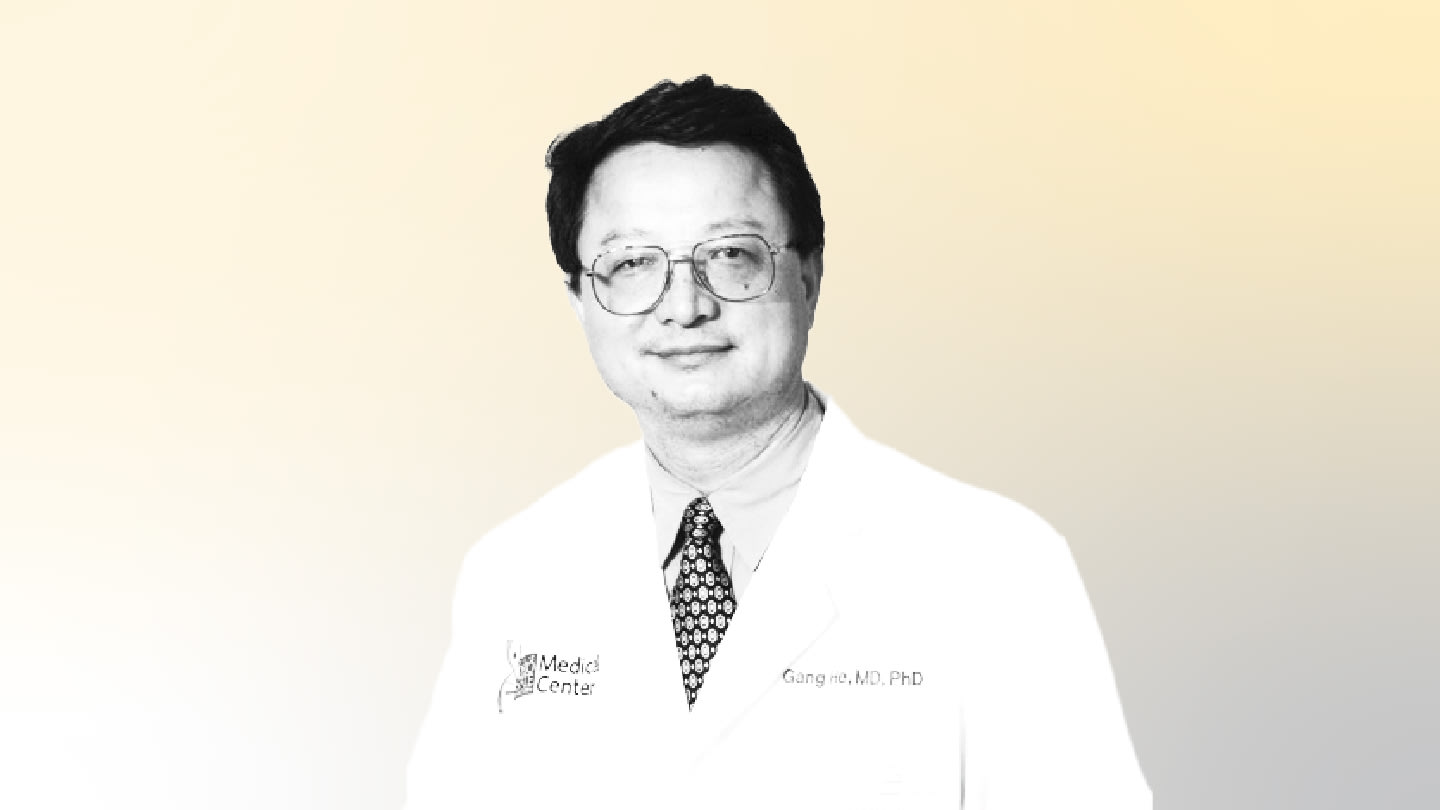
In early 2020, hospitals in New York City were becoming devastatingly overwhelmed as the COVID-19 pandemic tore through the city. Infection and mortality rates among healthcare workers in emergency rooms were alarmingly high. Daily television broadcasts reported increasing patient and death statistics. And several city hospitals, including the one where I worked, had refrigerated trucks parked outside to temporarily store bodies awaiting autopsy and burial.
While panic engulfed the public, our televisions became our lifelines, providing much needed facts and updates on the situation, as well as advice on how to deal with it. I followed a local Chinese television station closely during that time, and was acquainted with its CEO, Mr H. One evening, as I began my drive home from my shift at the hospital, I received a call from Mr H himself.
"Dr He, I would like to invite you to be a guest on our show about the pandemic. Would you be able to join us?"
"Of course! It would be my honor!" I replied. " When?”
"Today," he said. "We start broadcasting at 6 pm. Can you make it?"
I quickly turned my car around and drove to the television station, arriving less than ten minutes before the broadcast, still wearing my surgical scrubs. Mr H hurriedly had a staff member, who was around my size, change out of his shirt, tie, and suit for me to wear.
I took my place as a guest next to the host, shook hands, and exchanged introductions – just ten seconds before going live. Taking a deep breath as the camera counted down, I calmed myself, and began my first experience on television.
That day, we mainly reported on the pandemic situation in the US and mainland China, and shared various announcements from the federal and city authorities. Throughout the show, the host continuously sought my opinions on the pandemic's occurrence, development, prevention, and treatment, especially regarding the origin of the SARS-CoV-2 virus.
Drawing from my medical knowledge, available information, and logical analysis, I discussed research papers on viral enhancement published by Shi Zhengli and the University of North Carolina in Nature, statements and images from China, the timeline and characteristics of the outbreak, vaccination issues, and more. In addition to answering questions, I engaged in a lively and humorous exchange with the host, interacting with the audience both domestically and internationally.
At the end of the show, Mr H was waiting to thank me. "Dr He, you were fantastic!" he said. "No one would guess it was your first time on camera. Today's audience ratings and simultaneous viewings on YouTube have reached an all-time high, and many viewers left enthusiastic comments and donations!"
Mr H recalled how he first met me in Flushing around 2003, when I was discussing the AIDS epidemic among farmers in my hometown, Henan, and fundraising for AIDS orphans. He published the story in his newspaper, Duowei News. Now, he was specifically looking for a Chinese doctor to feature on his TV show to discuss pandemic issues, and had thought of me. He was impressed with my ease on camera, rapport with the presenter, and considered insights.
"Can we invite you to be a guest again?" he asked.
I didn't hesitate to accept, happy to have the opportunity to use the platform to provide medical education, comfort the public, and discuss my personal views.
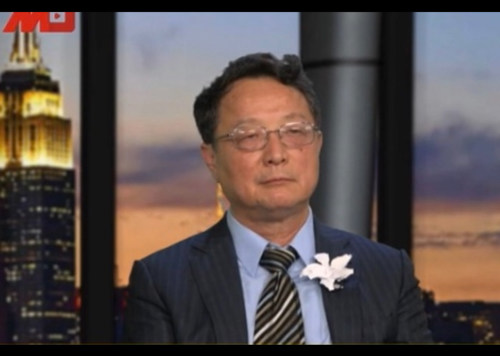
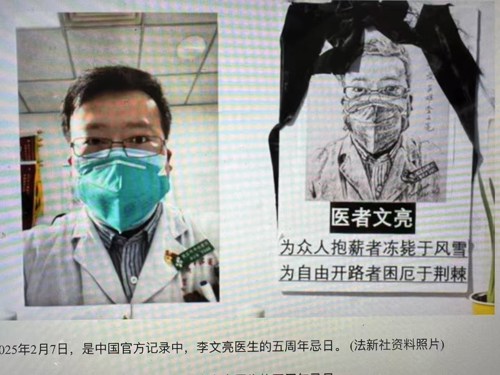
From that day on, I became a regular guest on the television show, commenting on various hot topics and news events. I was also able to raise awareness of the important work of fellow Chinese doctors. For instance, I showed my support for Li Wenliang, the whistleblower of the outbreak in Wuhan, mainland China. He had been silenced and detained for exposing the outbreak and ultimately succumbed to the virus during his outpatient clinic work. On the day he passed away, I appeared on camera with a white paper flower I had torn from a sheet and pinned to my chest, expressing deep condolences for Dr Li. The event was particularly poignant for me because a junior colleague who had participated in surgeries with me at my former workplace also passed away after contracting COVID-19.
Aside from pandemic issues, I also provided forensic pathology analysis of the case of George Floyd, who died while being forcibly subdued by police for robbery and drug use. I openly expressed my views and positions as a pathologist regarding this case and later invited forensic pathology expert Dr L, director of the forensic examination center in several Midwestern states, to discuss the forensic pathology issues in detail. Together we helped the public understand the background, content, and significance of the autopsy report. This program was also warmly received by the audience.
These broadcasts gained recognition and support from many Chinese doctor friends, significantly boosting my confidence, enthusiasm, and motivation as a guest and program host.
During the five years of the pandemic, I also hosted biannual online meetings via Zoom and YouTube, providing public lectures for Chinese medical students admitted to US residency programs. These included guidance on "How to Safely Navigate the First Six Months of Residency" after Match Day in March and "How to Prepare Application Packages and Interview Techniques" for students starting their applications in October. These lectures received support and participation from numerous Chinese doctors across the US, along with former students I had trained who are now practicing or already in residency. They all generously provided valuable guidance, helping many students successfully enter US residency programs, complete their studies, and become excellent clinicians.
All these public service activities are part of my non-clinical work as a non-academic surgical pathologist. Such community engagements have deepened my understanding that a doctor’s role extends beyond daily clinical diagnosis and treatment. We must also care deeply about public health issues that affect society.
When we review the US medical licensing exam, public health is a significant part of the curriculum. Even after becoming clinical doctors, it should remain an essential focus and practice in our careers. This aligns with the epitaph of medical pioneer Edward Livingston Trudeau: "To cure sometimes, to relieve often, to comfort always."
There is an ancient Chinese saying, "A healer has a benevolent heart." For me, my broadcasting endeavors are simply part of my benevolent responsibilities as a doctor: caring for social and public health, providing humanitarian support, and offering spiritual encouragement.
Newsletters
Receive the latest pathologist news, personalities, education, and career development – weekly to your inbox.