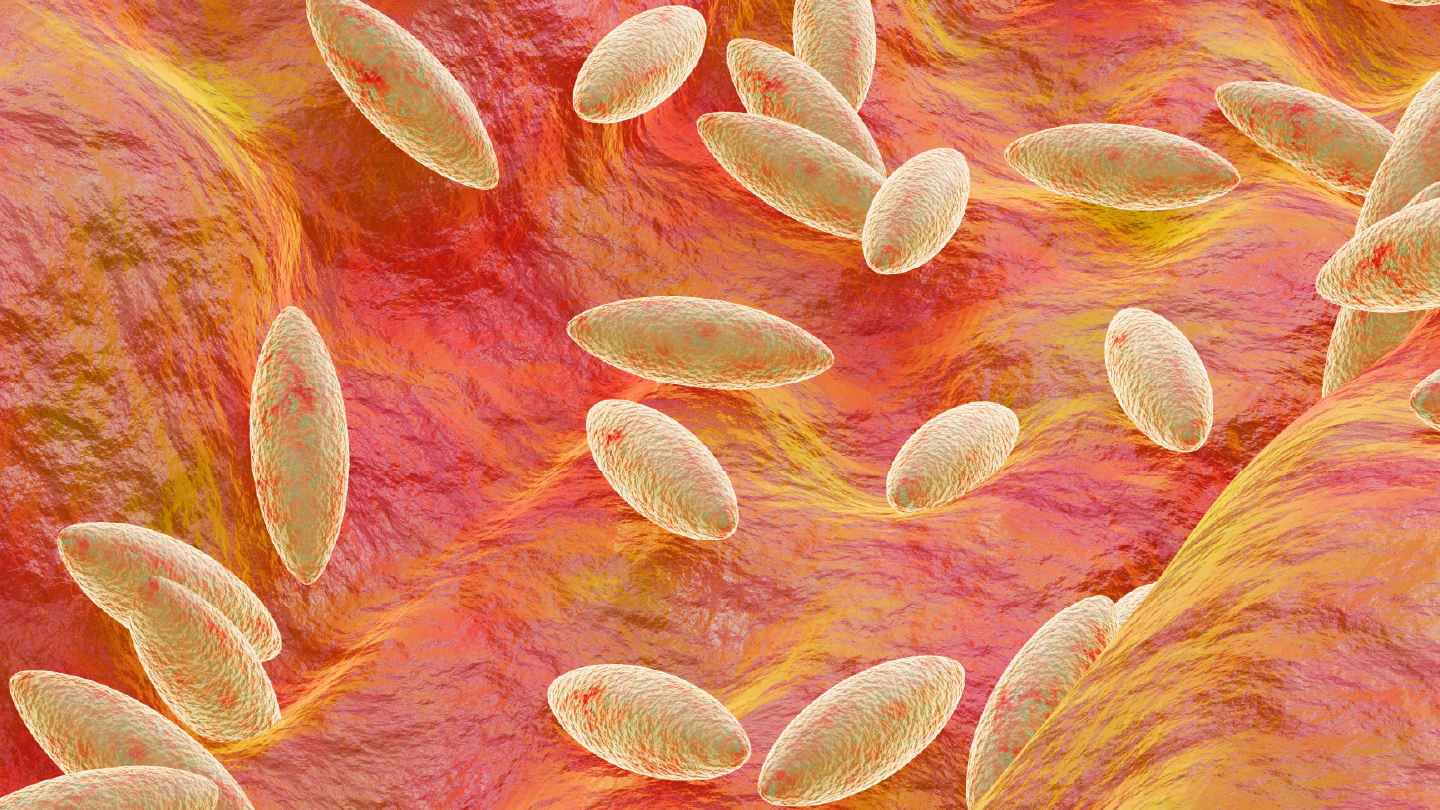
A multicenter prevalence study conducted in Cameroon has identified Brucella abortus (B. abortus) as the only Brucella species circulating in livestock across three regions of the country. The findings, published in Nature Communications, are based on culture, molecular, serologic, and genomic analyses and provide species-level confirmation in a region where brucellosis is considered endemic but has been poorly characterized.
Brucellosis is a zoonotic infection that affects livestock and humans and is commonly diagnosed using serologic tests in many low-resource settings. However, serology alone cannot identify the specific Brucella species involved. In this study, researchers aimed to confirm which species are circulating in Cameroon and to assess how different diagnostic methods perform in the field.
The study included 4,612 animals – cattle, goats, sheep, and pigs – sampled at slaughterhouses in the Far North, North, and West regions of Cameroon between February 2021 and May 2023. Testing included bacterial culture, real-time polymerase chain reaction (PCR), the Rose Bengal Test (RBT), indirect enzyme-linked immunosorbent assay (iELISA), and next-generation sequencing.
B. abortus was identified in all three regions and was the only Brucella species detected. Culture-positive samples were found only in cattle, with a countrywide culture positivity rate of 0.8 percent. Real-time PCR identified additional positive animals, including cattle, goats, pigs, and one sheep. All PCR-positive samples were confirmed as B. abortus. No evidence of Brucella melitensis or Brucella suis was found.
To estimate infection prevalence while accounting for differences in test performance, the researchers used statistical models that combined results from multiple diagnostic methods. The estimated prevalence of Brucella infection was 8.3 percent in cattle and 7.3 percent in goats. Serologic positivity was most common in cattle, followed by goats, pigs, and sheep. The Far North region had the highest number of positive results across testing methods.
Culture, although considered the reference method, detected relatively few cases, reflecting its low sensitivity in chronic infection. PCR increased detection but may identify bacterial DNA even when viable organisms are no longer present. Serologic tests were used mainly for screening and required careful interpretation. RBT followed by iELISA was used in cattle and goats to improve specificity, and the iELISA assays were validated locally to establish appropriate cutoff values.
Genomic analysis showed that the B. abortus strains detected in Cameroon were closely related to strains previously identified in eastern sub-Saharan Africa. This suggests that the infections reflect long-standing regional circulation rather than recent introduction.
Samples were collected at slaughterhouses because Cameroon does not have a national livestock traceability system. The authors noted that serologic tests cannot distinguish between Brucella species and emphasized the importance of combining serology with molecular or culture-based methods.
Newsletters
Receive the latest pathologist news, personalities, education, and career development – weekly to your inbox.