“As more drugs become available for similar tumors, the key question becomes: which is the right drug for this specific patient? It's not just about getting the right diagnosis – it's about understanding at a cellular level how these cells behave and interact with each other.”— Karan Arora
Meet the panel
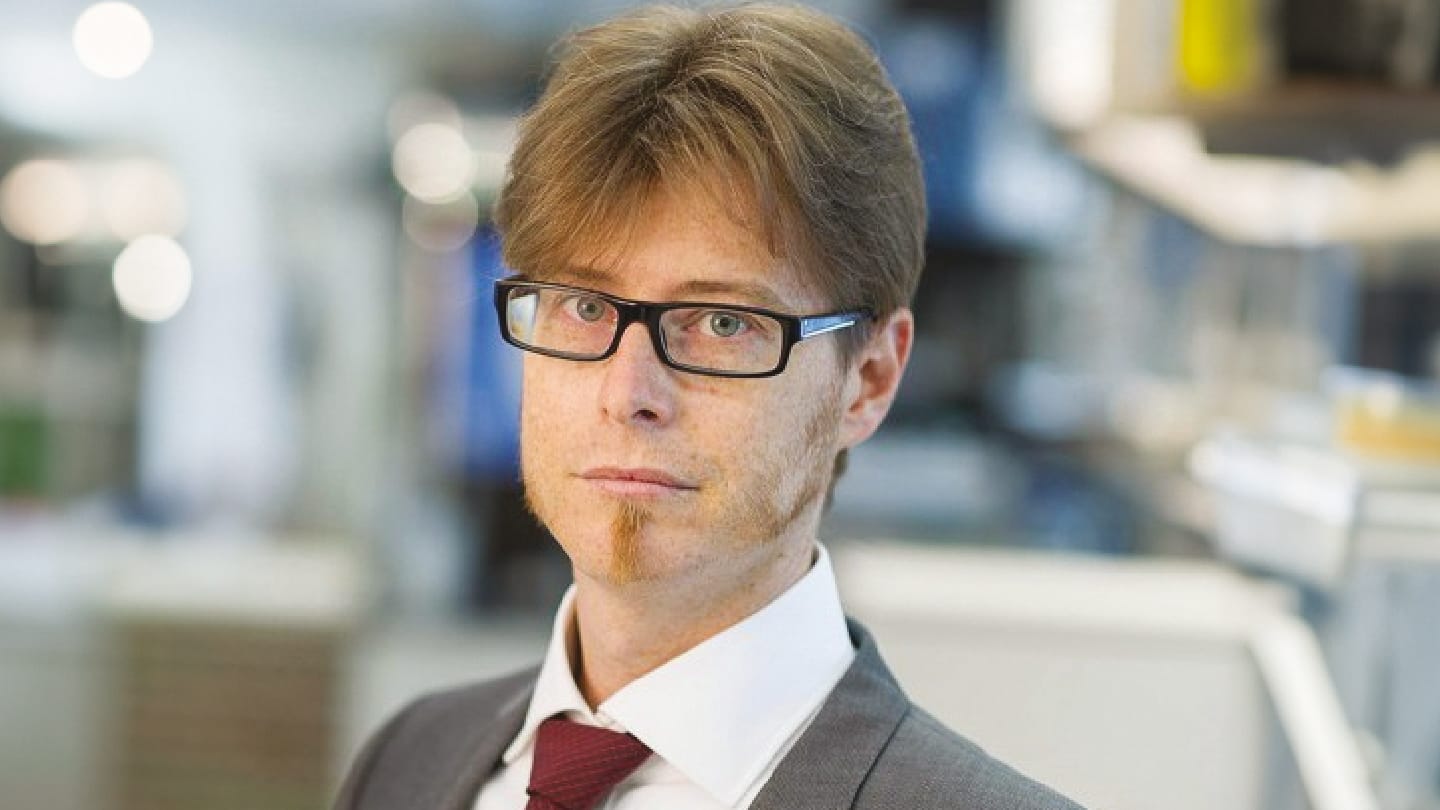
Jorge Reis-Filho, Chief AI and Data Scientist, Oncology R&D, at AstraZeneca
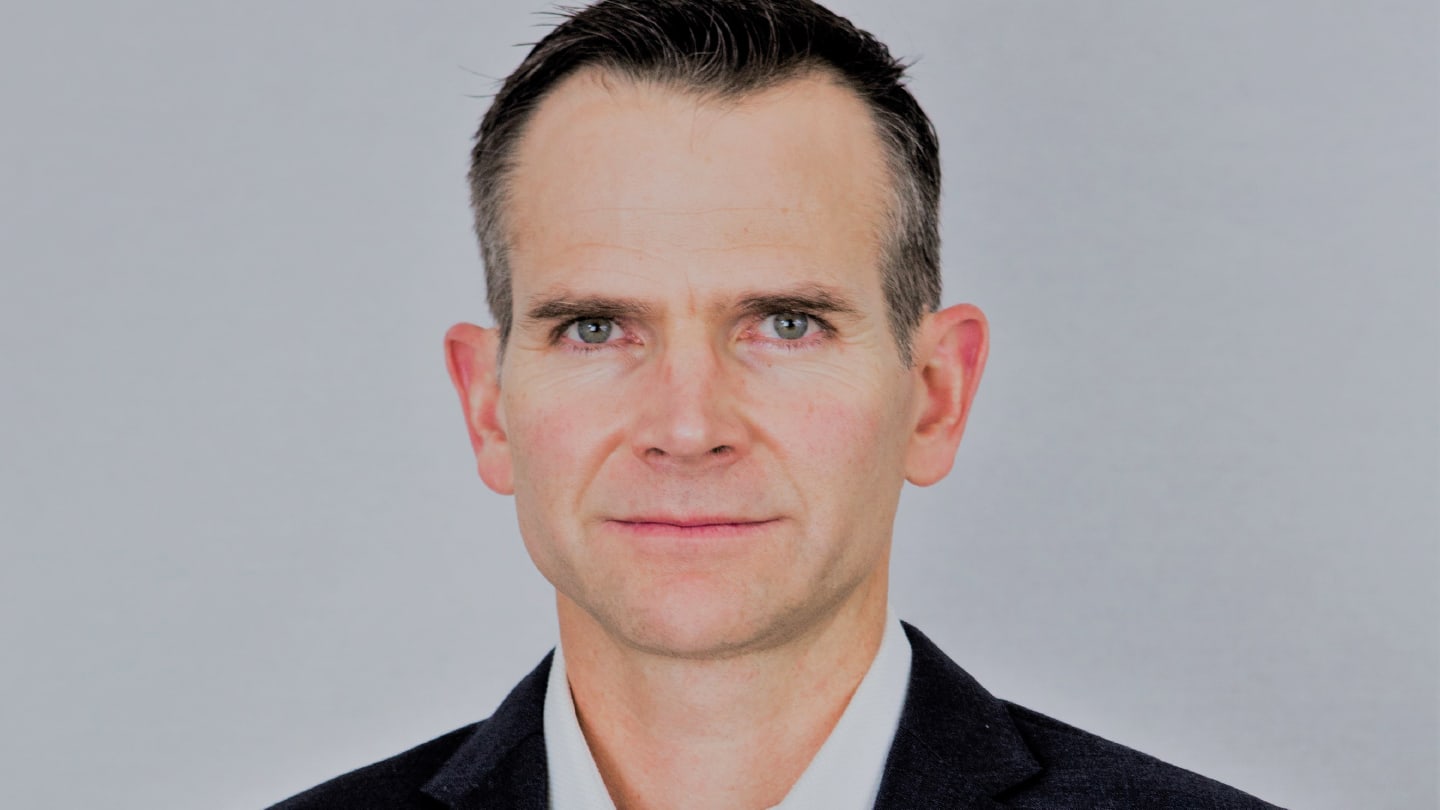
Rob Monroe, VP and Chief Scientific Officer of Oncology at Danaher Diagnostics and Chief Medical Officer at Leica Biosystems
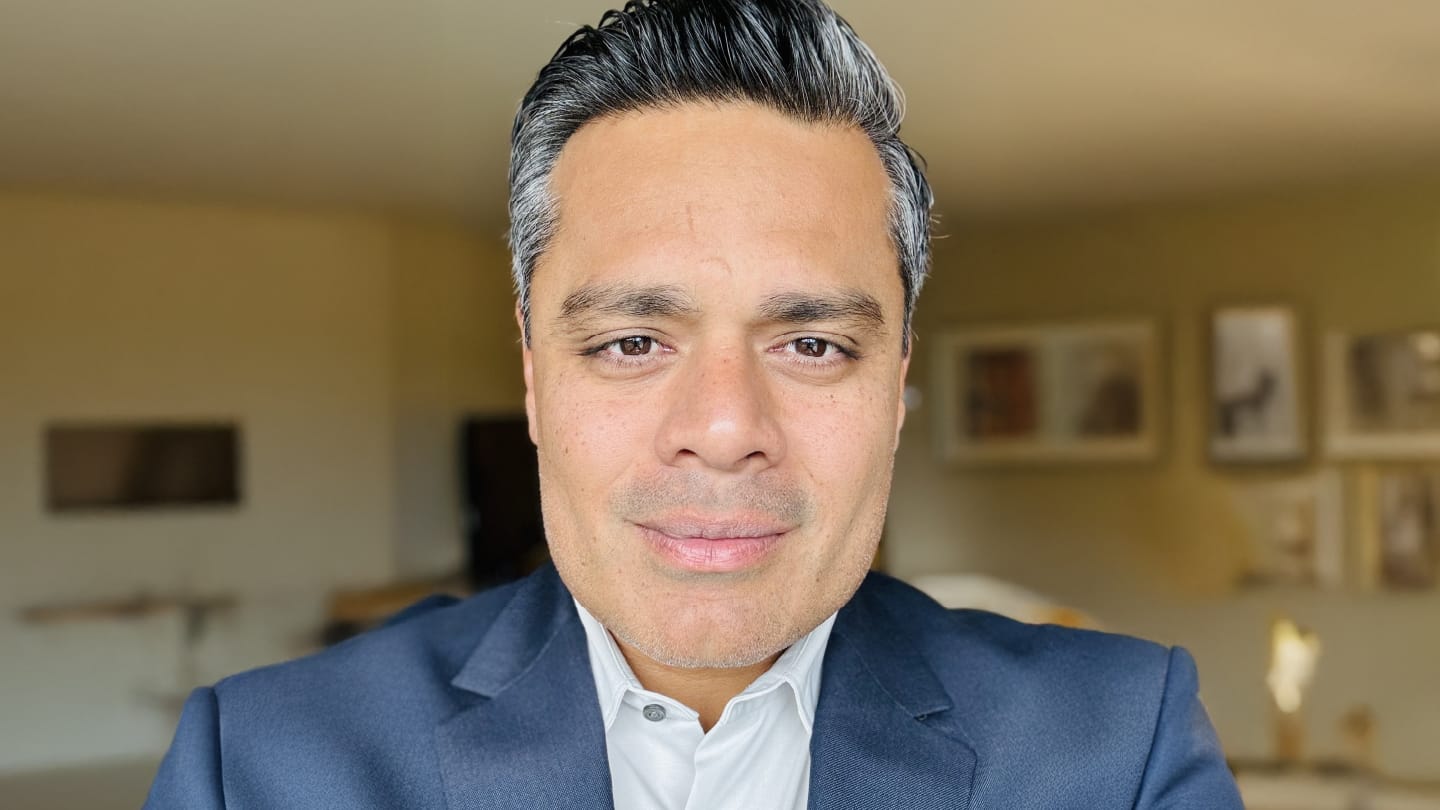
Karan Arora, Senior Vice President, Advanced Assays, AI & Pharma Services, Leica Biosystems
Read Part 1 of the roundtable discussion here.
What role do AI-powered diagnostics play in improving patient selection and treatment outcomes?
RM: There are three fundamental advantages that AI-powered diagnostics offer over current methods.
First, artificial intelligence (AI) provides greater reproducibility. Studies have shown that pathologists' interpretations can be inconsistent – not just from one pathologist to another, but from one lab to the next. This means a patient who would qualify for a life-saving therapy based on one pathologist's reading might not receive access to that same therapy due to a different interpretation at another lab. That's a serious problem that ultimately hurts patients. AI-enabled assays deliver the same result across labs every time, which is critical for equitable patient care.
Second, AI delivers more accurate quantitative results than traditional semi-quantitative methods. This is especially important when there's a cutoff threshold that determines whether a patient receives a therapy or not – that decision boundary needs to be exact. With manual reads, you risk toggling above and below the cutoff. AI ensures patients land on the right side of that threshold and receive the right treatment decision.
Third, AI can extract information that human pathologists simply cannot capture. When analyzing an immunohistochemistry (IHC) stain combined with an H&E stain, AI can incorporate multiple layers of information from the slide that go beyond the stain itself – details that a pathologist looking through a microscope cannot fully interpret or integrate. AI brings all of that information together to create better tests and better biomarkers, ultimately identifying which patients will respond to a given therapy.
KA: Another critical use case is therapy selection. As more drugs become available for similar tumors, the key question becomes: which is the right drug for this specific patient? It's not just about getting the right diagnosis – it's about understanding at a cellular level how these cells behave and interact with each other.
To gain that insight, you need to test samples for multiple biomarkers. A lot of this data isn't available even through genomic analysis; you have to examine the proteomics and cellular structures to get that level of detail. And that data is what's critical for determining not just which single therapy is right for a patient, but more importantly, what regimen of therapies they should receive to cure the disease or improve their quality of life with the tumor.
The other major area where AI proves invaluable is in monitoring therapy response. As patients undergo treatment, they return for follow-up visits, and the oncologist must decide: Is this the right therapy or regimen? Should we continue, or do we need to adjust? AI drives consistency in analyzing those cellular structures to determine whether a drug or therapy is actually helping the patient – and if not, why not, and what should be done differently.
This kind of fine-tuned analysis at the cellular level gives oncologists the insight to make precise decisions tailored to that individual patient, rather than broad-brushstroke decisions that might apply generally but lack certainty. Essentially, you're removing the guesswork from medicine.
How do you envision the next phase of companion diagnostics development?
JR-F: An area of focus for AstraZeneca will be multimodal biomarkers powered by AI. We've already crossed an important inflection point: pre-trained models using attention-based mechanisms can now learn directly from data through a process called self-supervision. These models derive features, representations, patterns, and even reasoning from the data itself.
When we combine AstraZeneca's key differentiator – our proprietary internal data – with models being developed by frontier AI companies and diagnostic partners, we can create patient selection strategies that address biology in truly differentiated ways. More importantly, we can define the minimal set of parameters needed from electronic health records, pathology images, radiology, and omics data that will inform the right treatment decisions for each individual patient.
This comes back to collaboration, because this vision will only be realized through a robust ecosystem of partnerships. The multimodal nature of AI-informed biomarkers, combined with the principle of maximum parsimony – identifying the smallest set of biomarkers that can inform treatment decisions – will be crucial on two fronts.
First, it ensures precision, accuracy, and correct biological understanding. Second, it democratizes access to this information. AI can help us define the minimal set of parameters required given the available data infrastructure in any particular setting. This represents a completely different way to approach diagnostics. We don't need perfect data completeness everywhere – we can differentiate our approach based on what technologies and data are available in each context and still deliver meaningful insights.
What needs to be put in place to achieve that vision?
KA: Jorge is describing the top of the innovation pyramid: multimodal analysis with AI. When you break this down, it's essentially a proliferation of data that ultimately leads to better insights for each patient. But when you strip that away and ask, "How can this be democratized and scaled in practice?" – that's where the real challenge lies. We already face access challenges at the foundational levels of the pyramid, where some labs don't even have microscopes to examine images.
There are several things we must do as an industry to make this vision a reality.
First, partnerships need to expand beyond traditional players. We need to bring newer participants to the table: the cloud computing and data analytics giants like Google, Amazon, and Microsoft; large algorithm developers; and diagnostics companies. They all have critical roles to play and orchestrating that collaboration is both new and difficult.
Second, we need regulatory clarity. Regulators must understand how to qualify these types of tests and establish clear pathways for approval. Right now, that's highly ambiguous, and we're seeing a lot of firsts. AstraZeneca is certainly leading the way with innovation here, but we need the entire industry to push forward because it will shift regulators' mindset about what's required to treat patients better.
Third, the business model must evolve. Payers – whether national health systems or private insurers – rely on long histories of outcomes data to make reimbursement decisions. The problem is that this technology is so novel and moving so fast that payers haven't caught up with reimbursement pathways. That limits adoption appetite for many provider systems and government healthcare systems that are already struggling with massive care costs. We need to figure out how to incentivize these institutions to actually use these technologies.
These are the practical areas we have to work on together. Obviously, it requires strong clinical data as the starting point, and we're working on that. But it also requires other partners to step in, take the risk, align to the vision, and genuinely put the patient at the center of it all. As an industry, we're not quite there yet. There's still a lot of work to be done. But in terms of the vision Jorge articulated? I'm 100 percent motivated and behind it.
RM: I'm in complete alignment with the way Jorge and Karan have articulated the future and how AI is integral to precision medicine and companion diagnostics. When I think about the practical deployment and how we get there, there are a couple of incremental steps we need to take along the way.
First, we need to move from single IHC biomarkers to multiplex assays. AI is essential here because it enables pathologists to analyze stains that overlap or to integrate the spatial information from multiple biomarkers on the same slide. This is a critical incremental advance – getting from one biomarker to two, three, or four on the same slide with AI's help.
A good use case involves the antibody–drug conjugates (ADCs) that AstraZeneca is developing. Multiple ADCs are now approved for tumors in breast, bladder, and lung cancer. Having a single assay that incorporates multiple biomarkers on the same slide to assess the expression of multiple ADC targets simultaneously would be a fantastic stepping stone toward this future.
The second incremental advance is adding additional elements beyond IHC – embracing the multimodal nature Jorge described. This means going from one mode to two: for example, combining IHC with H&E histology. Adding that H&E information brings in inferred genomic profiles, inferred transcriptomic profiles, and spatial information.
Combining IHC with AI-powered H&E interpretation would be another excellent stepping stone to improve patient selection for companion diagnostic assays.
These are practical technological steps that bridge where we are today with the future vision we've outlined.
What are your closing messages?
JR-F: The success of oncology will ride on ecosystems of stakeholders working together to devise mechanistically informed, yet clinically deployable biomarkers to inform the delivery of treatments or combinations to patients at the right time during their treatment journey. That should be central to everything we do.
KA: When companies like ours work together, there are very pragmatic ways in which we can cross the barriers and bring precision medicine to patients in a timely way.
RM: From my perspective, there's never been a more exciting time to be involved in diagnostics. Taking the opportunity to work closely with pharma to bring about the next generation of diagnostics will really help patients get to the best possible therapy – and, ultimately, the cure.
Newsletters
Receive the latest pathologist news, personalities, education, and career development – weekly to your inbox.