“Collaboration helps us place patients at the very center of this innovation-driven ecosystem. It becomes more about finding the solution end-to-end for the patient rather than addressing each one of the parts that our respective companies or academic partners would offer.” — Jorge Reis-Filho
Meet the panel
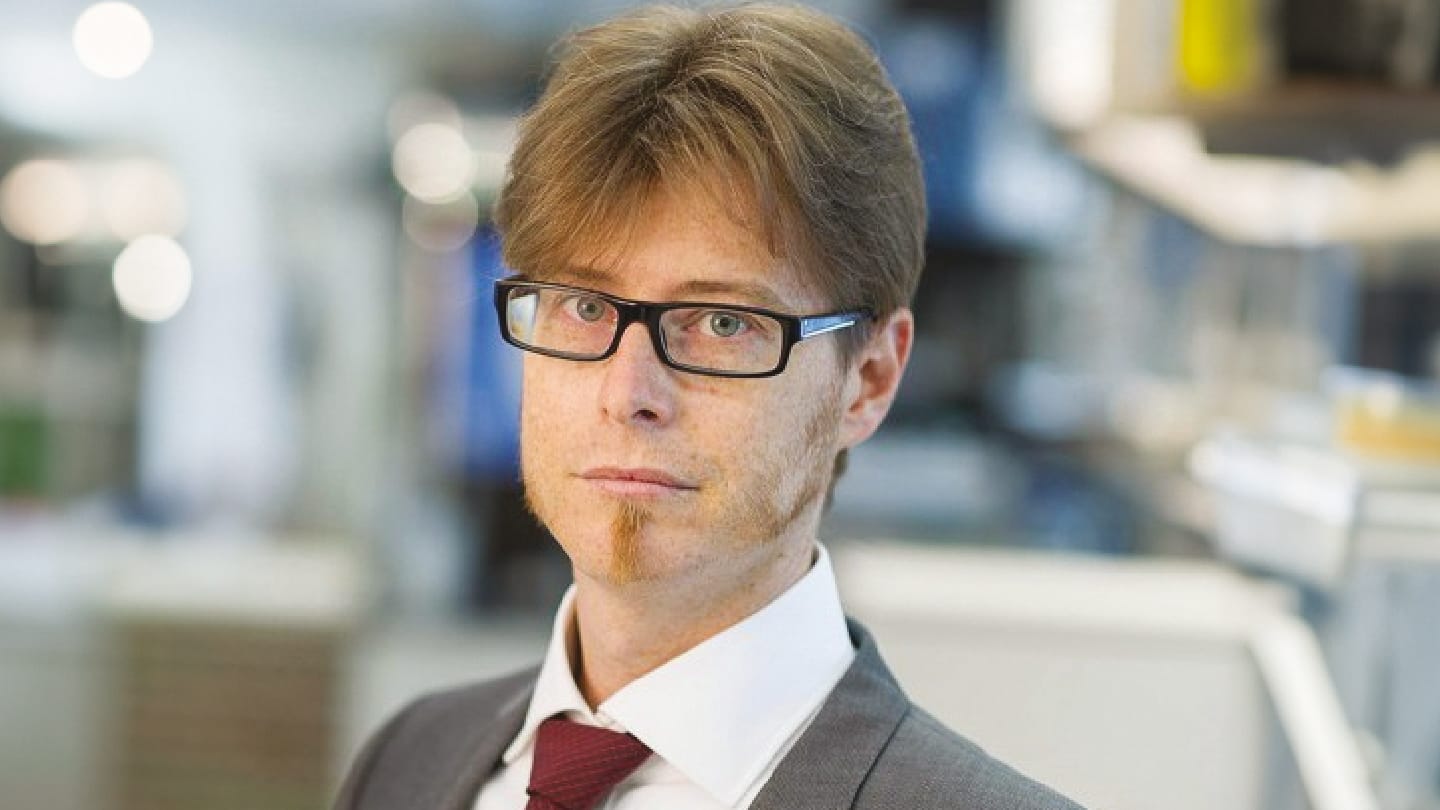
Jorge Reis-Filho, Chief of AI for Science Innovation at AstraZeneca
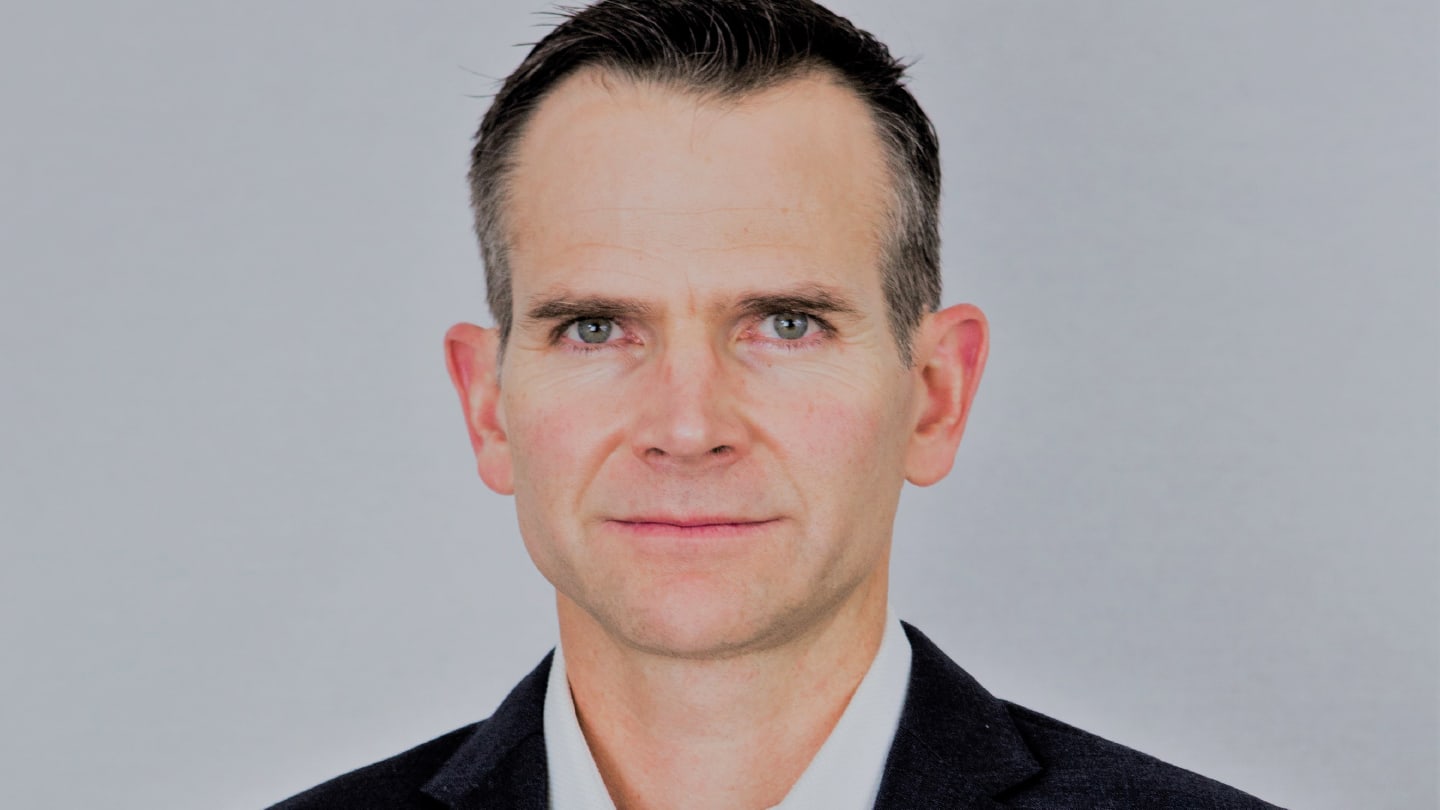
Rob Monroe, VP and Chief Scientific Officer of Oncology at Danaher Diagnostics and Chief Medical Officer at Leica Biosystems
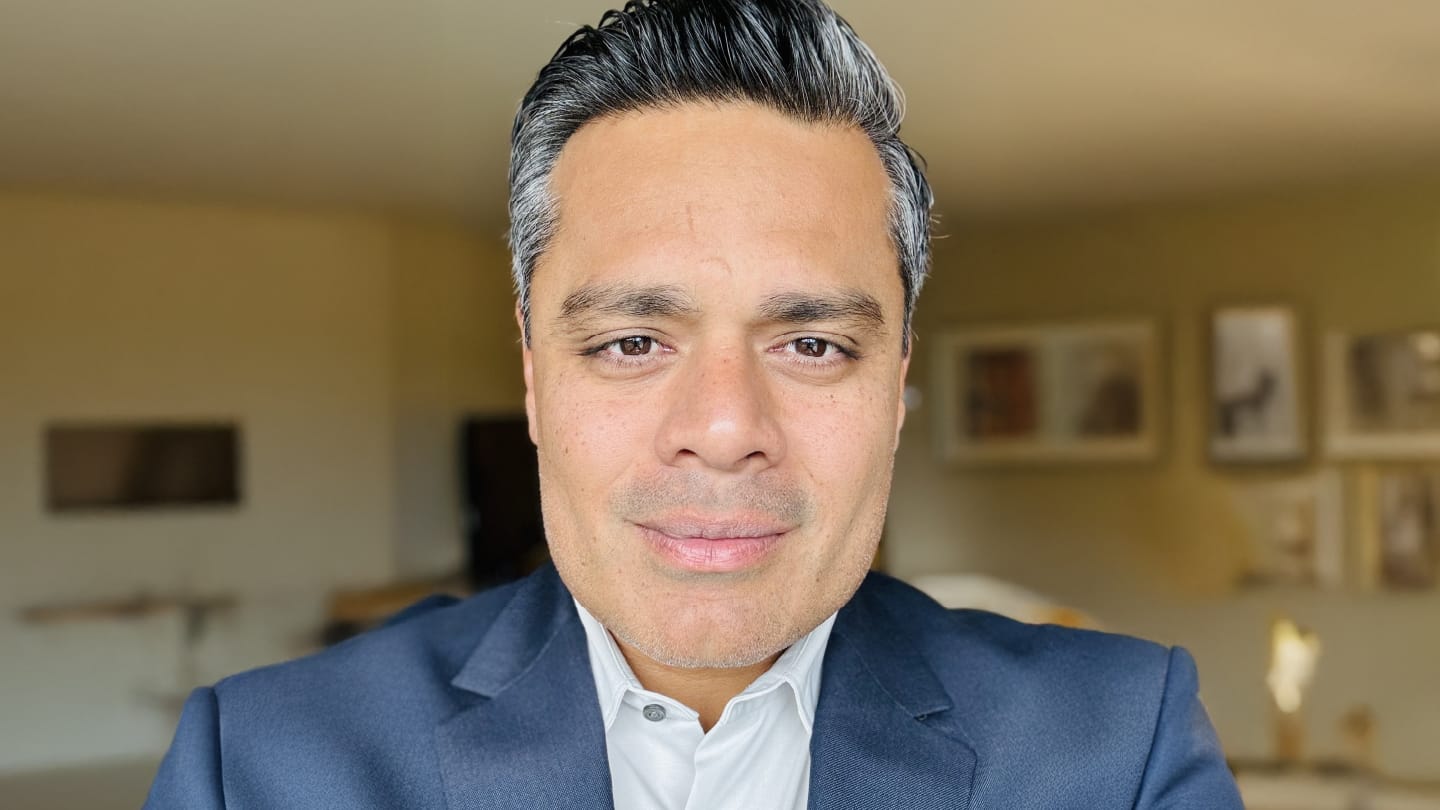
Karan Arora, Senior Vice President, Advanced Assays, AI & Pharma Services, Leica Biosystems
To what extent are companion diagnostics central to advancing precision medicine?
Rob Monroe: Precision medicine takes us beyond the historical one-size-fits-all approach of therapy by providing a more biologically informed model to guide treatment. Companion diagnostics are critical to advancing precision medicine as they specifically identify whether a patient's tumor is likely to respond to a given therapy. They can increase the likelihood of a patient response to well over 90 percent (1).
Alongside that, precision medicine is important in identifying patients who are unlikely to respond to a treatment, helping us avoid high costs and potentially deleterious side effects.
Jorge Reis-Filho: I'd like to build on that to say that, as a pathologist, I understand that a correct diagnosis and a correct disease segmentation does not guarantee a cure. But it's the best starting point for the patient journey.
At AstraZeneca, we have sponsored the importance of companion diagnostics to guide therapy decision-making since 2014. Since then, we've had over sixty-five companion diagnostics approvals across oncology.
Now that we have the ability to apply artificial intelligence (AI) to computer vision, companion diagnostics are unlocking a different dimension. Disease segmentation can be done in a way that is much more personalized and will allow us to tailor the treatments to patients in a way that we could not before.
We are now seeing the emergence of the first few predictive biomarkers on the basis of the computational pathology AI applied to computer images, opening up another new dimension for disease management.
Karan Arora: Precision medicine, for me, is about achieving longevity for patients with cancer, and is a step closer to finding a cure. And that can only happen by ensuring they get on the right therapy the first time.
Treatment decisions were somewhat binary in the past. Now we have ADCs, immuno-oncology, and targeted and combination therapies emerging. That makes treatment decisions very complex. Our goal as an industry should be to demystify it – make it simpler for pathologists and oncologists to make the decisions that are vital for these patients to carry on living their lives.
What needs to change in order to see companion diagnostics in widespread clinical use?
KA: We need a more homogeneous infrastructure in diagnostics. If molecular diagnostic assays are analyzed differently between labs, then the interpretation of the results will be location specific.
Speed is another issue. We need the ability to translate and scale novel science and innovation in diagnostics to the clinical setting efficiently.
And the other barrier is efficient processing of the data generated by complex diagnostics. There is a huge opportunity for that to be resolved with AI and computer vision analysis that Jorge referred to. But, currently, those are the three areas that I think are holding us back.
JR-F: Infrastructure, processes, and the regulatory framework certainly present barriers. But there are also simple availability and cultural hurdles to navigate. The five blockers together create a scenario whereby no single stakeholder can comprehend the intricate complexities that will need to be negotiated for us to successfully deliver companion diagnostics access in a democratized manner. It's a multifaceted type of challenge.
The answer lies in partnerships across diagnostic companies, pharma companies, healthcare providers, patients, and regulators. Several of these collaborations are already helping us address some of the barriers to access, but there is much more for us to deliver here.
KA: I'd like to pick up on Jorge's comment about culture. We're all working in for-profit industries, whose first question, naturally, is, "How do we monetize this solution?" Personally, I think that's the wrong question. Maybe we should be asking, "What are the problems faced by the people making decisions for patients that, if alleviated, would enable the patients to access the curative answers they're seeking?"
We're all in this industry for that reason, ultimately. And I think if we start with that question, it really simplifies the mission. I believe that if you do the right thing, the monetization will follow. That mindset can be at odds with the principle of starting from the business model question.
So, I think culture does play a role in opening up access to precision medicine. Thinking differently and boldly starts with leaders like us.
How do collaborations between pharmaceutical and diagnostics companies accelerate the development and clinical adoption of precision medicine?
RM: One of the big hurdles is the lack of availability of the technology that allows labs to deliver companion diagnostics. For that reason, digital and computational pathology is one area in which Danaher Corporation, through its operating company, Leica Biosystems, is actively partnering with AstraZeneca. Working together, we can build that infrastructure out so that, when an AI-enabled assay comes to the market as a companion diagnostic, it can be deployed efficiently.
We also need to tackle the fragmentation in the players involved: the antibody developers and providers, contract research labs, diagnostics manufacturers, and the companies that build the computational pathology equipment. Danaher and Leica Biosystems are working on pulling all of those pieces together so that we can work with AstraZeneca to bring companion diagnostics to the market seamlessly.
Starting from the antibodies, for example, Danaher recently acquired Abcam. That gives us access from the very early stages of development to the best-in-class antibodies that support companion diagnostics. We can then develop the full staining and computational pathology infrastructure to bring AI along with the immunohistochemistry assay.
And finally, we have the Centers for Enabling Precision Medicine – a group of laboratories strategically located in different parts of the world that can support clinical trial testing and work directly with pharma companies. That provides a consistent regulatory and design-controlled environment to accelerate companion diagnostic development in partnership with pharma.
JR-F: These collaborations bring together stakeholders with different sets of experience, expertise, and knowledge that help unlock or negotiate each one of those hurdles. They are essential for us to be able to create end-to-end solutions.
The second part is that collaboration helps us place patients at the very center of this innovation-driven ecosystem. It becomes more about finding the solution end-to-end for the patient rather than addressing each one of the parts that our respective companies or academic partners would offer.
And there's a final part here that I find fascinating. In the past, we regarded the regulators as being outside these end-to-end collaborations. Now, increasingly, we see the regulatory agencies as partners in this process, helping us co-create a solution that is safe, impactful, meaningful, and deployable for the patients.
How can partnerships ensure that diagnostic innovation truly benefits patients – particularly those in underserved or underrepresented populations?
KA: I think this is where the opportunities with AI and computer vision analysis will really change the diagnostic model. In the past, every cancer diagnosis required a lab, a microscope, and an expert pathologist – resources that aren't always available in underserved regions.
Today, all we need is the ability to scan an image on a slide and electronically transfer the file to the expert pathologist at a central lab. Then we add in AI-powered image analysis – developed through diagnostics and pharmaceutical industry partnerships – that offers the best knowledge and insights to the pathologist. The AI augmentation levels the field in terms of diagnostic accuracy.
We're at a game-changing moment for the democratization of healthcare, and I think everyone around this table is excited in our abilities to be able to scale the infrastructure together.
JR-F: At AstraZeneca, we are anchored by our bold ambition in oncology: to one day eliminate cancer as a cause of death. As part of this ambition, we need to democratize access to biomarkers. And we are able to do that by building an ecosystem of partnerships around our global pharmaceutical company, medical centers, academic and community hospitals, diagnostics companies, the frontier AI companies, and the payers and regulators.
The other obligation is to ensure access to diagnostic biomarkers that are mechanistically informed. These biomarkers can be clinically deployed – not just to developed countries, but globally. I see this opportunity as a paradigm shift that's happening in our lifetimes.
How are partner-driven AI innovations helping to close precision medicine gaps?
JR-F: I'd like to share how we at AstraZeneca have seen AI deliver impact within a relatively short timeframe. We applied AI to computer vision not only to address issues of accuracy, precision, and reproducibility in diagnostics, but also to understand tumor biology in ways that enable treatment predictions.
A great example is our Quantitative Continuous Scoring system, or QCS, which we developed to quantify the expression of specific targets on the cell surface and in the cell cytosol. By measuring correlations between these expressions, we can understand the biology of the target and select the right patients to receive treatment at the optimal point in their care journey.
Another highlight is using QCS to quantify Trop-2, which is the target of certain antibody-drug conjugates. This work resulted in the first-ever computational pathology predictive biomarker for an antibody-drug conjugate, which this year received breakthrough device designation from the FDA. What made it groundbreaking wasn't just the quantification of the target itself – it was measuring the normalized membrane expression, which serves as a surrogate for target internalization. We used AI-powered computer vision to understand the biology of both the target and the tumor, ultimately delivering the right treatment to the right patients.
The other aspect I find really important relates to democratizing access to precision medicine through partnerships between diagnostic companies, AI firms, pharmaceutical companies, and healthcare providers. Specifically, I'm talking about inferring genomic alterations from H&E histology images. Histology images are available globally, but genomic assays are not as readily accessible to all patients. Now, we have approaches that can infer the presence of mutations or alterations affecting specific genes directly from H&E stains, which allows us to prioritize which patients need sequencing. A great example is inferring EGFR mutations from H&E images.
What excites me most about these collaborations is the potential when we bring together diagnostic partners like Leica Biosystems, AI solution providers, healthcare institutions, and the right portfolio of treatments. Together, we can truly drive this engine forward and accelerate the journey toward precision medicine for all patients.
RM: I'd like to highlight the MMR story – mismatch repair proteins – which demonstrates how pharma and diagnostics companies can work together to improve patient outcomes.
MMR is measured through a series of immunohistochemistry tests that detect the presence or absence of mismatch repair protein expression. This determines whether a patient is MMR-positive or MMR-negative, which has critical therapeutic implications.
The success story here involves collaboration between pharmaceutical companies and diagnostic partners like Leica Biosystems, which has led to the use of MMR IHC panels in the work-up of patients with colorectal cancer (CRC) being considered for treatment with checkpoint inhibitors. Clinical studies have shown that CRC patients with loss of expression of certain MMR proteins in their tumors as determined through MMR IHC panels – so-called "MMR-deficient" tumors – have a dramatically improved response to checkpoint inhibitors (2).
KA: Those are excellent specific examples. Let me add some perspective on the macro-level benefits we're seeing.
First, we're eliminating handoffs in the development process. Take quality management systems, for example – they traditionally vary between pharma and diagnostics companies. We're now working closely with Jorge and his department to extend the quality management system for assay development back into the translational labs within pharma, where much of the innovation begins.
By developing biomarkers under quality standards that are transferable to clinical settings from the start, we create enormous value. When you build with the end in mind – knowing this will eventually become a clinical product – and design the entire end-to-end process accordingly, you eliminate handoffs, eliminate rework, and get to market faster.
Second, this approach actually accelerates drug development itself. With a very specific marker that you can scale, you can enroll patients in trials much faster and bring those drugs to market sooner. That's a significant win.
Finally, there's exciting work happening with AI on existing market problems. Consider PD-L1, a marker that's been used for over a decade in lung tumors. It's a notoriously difficult stain to read, and the challenge is that binary cutoffs mean not every patient who could benefit becomes eligible for therapy. We're now applying AI analysis to this established marker to change the game for patients.
By using AI to make better predictions from the stain, we can identify patients who should have been given therapy but weren't under the traditional approach. To me, that's an incredibly powerful story because you're solving a problem that exists today at scale – affecting millions of patients – simply by adding AI to improve an existing process.
Newsletters
Receive the latest pathologist news, personalities, education, and career development – weekly to your inbox.
References
- <p>M Takeda et al., "Clinical application of the FoundationOne CDx assay to therapeutic decision-making for patients with advanced solid tumors," Oncologist, 24, 4 (2021). PMID: 33325566.</p>
- <p>VA Ionescu, et al., "Clinical, immunohistochemical, and inflammatory profiles in colorectal cancer: the impact of MMR deficiency," Diagnostics (Basel), 15, 17 (2025). PMID:40941629.</p>


