Conexiant
Login
  • The Analytical Scientist
  • The Cannabis Scientist
  • The Medicine Maker
  • The Ophthalmologist
  • The Pathologist
  • The Traditional Scientist
The Pathologist
  • Explore Pathology

    Explore

    • Latest
    • Insights
    • Case Studies
    • Opinion & Personal Narratives
    • Research & Innovations
    • Product Profiles

    Featured Topics

    • Molecular Pathology
    • Infectious Disease
    • Digital Pathology

    Issues

    • Latest Issue
    • Archive
  • Subspecialties
    • Oncology
    • Histology
    • Cytology
    • Hematology
    • Endocrinology
    • Neurology
    • Microbiology & Immunology
    • Forensics
    • Pathologists' Assistants
  • Training & Education

    Career Development

    • Professional Development
    • Career Pathways
    • Workforce Trends

    Educational Resources

    • Guidelines & Recommendations
    • App Notes
    • eBooks

    Events

    • Webinars
    • Live Events
  • Events
    • Live Events
    • Webinars
  • Profiles & Community

    People & Profiles

    • Power List
    • Voices in the Community
    • Authors & Contributors
  • Multimedia
    • Video
    • Pathology Captures
Subscribe
Subscribe

False

The Pathologist / Issues / 2026 / April / Postmortem Blood Cultures May Aid Autopsy Analysis
Forensics Microbiology and Immunology Insights

Postmortem Blood Cultures May Aid Autopsy Analysis

Study examines bacterial findings in 100 medico-legal autopsies

04/08/2026 News 2 min read

Share

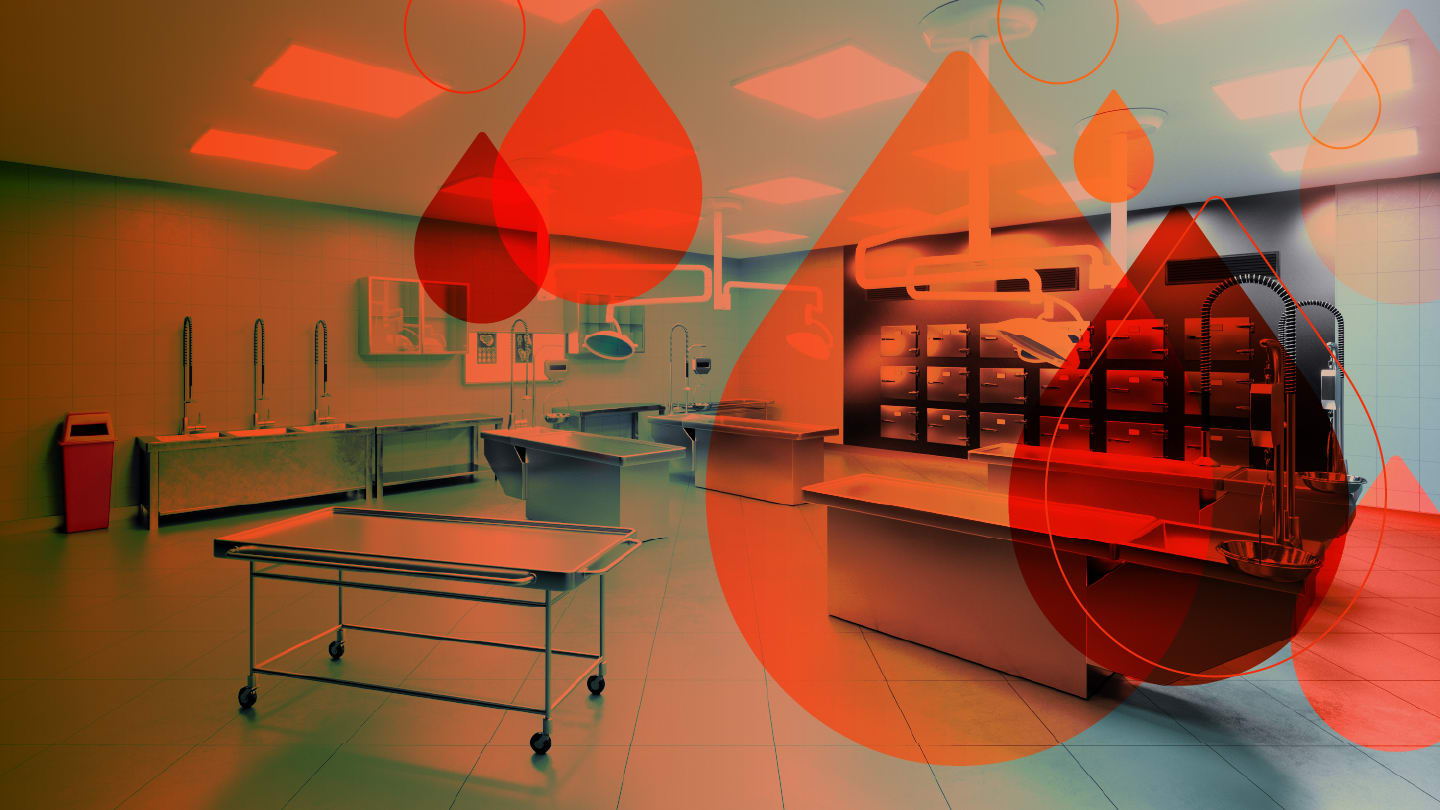
Credit: Original image sourced from Adobe Stock

Postmortem blood cultures may provide supportive evidence for determining cause of death when interpreted alongside autopsy findings, according to a study of 100 medico-legal autopsies examining bacterial profiles in heart blood samples and their association with cause of death.

Postmortem microbiology is not routinely performed in many settings, in part because it can be difficult to distinguish true infection from contamination or bacterial translocation after death. The study aimed to assess how often bacteria are detected following death and whether culture results are associated with cause of death.

The analysis included 100 cases of unnatural death with a postmortem interval of less than 24 hours. Cases of septicemia and putrefied bodies were excluded. Blood samples were collected aseptically from a cardiac chamber or major intrathoracic vessel and processed using standard laboratory methods.

Overall, 66% of cases showed bacterial growth, while 34% were sterile. Among positive cultures, 92.4% were monomicrobial.

The most commonly identified organism was Klebsiella pneumoniae, followed by Enterobacter spp and Acinetobacter baumannii. The study notes that such findings may reflect true infection, contamination, or postmortem bacterial movement.

Culture positivity varied by cause of death. Positive cultures were identified in 93.8% of disease-related deaths and 68.1% of polytrauma cases. This association was statistically significant, suggesting that underlying cause of death influences the likelihood of detecting bacteria.

There was no statistically significant relationship between culture results and postmortem interval (within 24 hours) or duration of hospital stay.

The findings underscore the interpretive challenges of postmortem blood cultures. While positive results may support evidence of infection, they must be interpreted cautiously and in the context of autopsy findings, clinical history, and known postmortem changes.

Postmortem blood cultures can serve as supportive evidence but should not be interpreted in isolation, the authors concluded, noting the need to correlate microbiological findings with autopsy and clinical data.

The study was limited by its single-center design, relatively small sample size, lack of molecular confirmation of bacterial origin, and incomplete data on premortem antibiotic use.

Overall, the results suggest that postmortem blood cultures may serve as a complementary tool in forensic and diagnostic pathology, particularly when infection is suspected or the cause of death is unclear.

The authors reported no financial support, no relevant financial relationships, and no competing interests.

Source: Cureus

Newsletters

Receive the latest pathologist news, personalities, education, and career development – weekly to your inbox.
Newsletter Signup Image

Explore More in Pathology

Dive deeper into the world of pathology. Explore the latest articles, case studies, expert insights, and groundbreaking research.

False

Advertisement

Recommended

False

Related Content

Context Matters in Cancer Biology
Microbiology and Immunology
Context Matters in Cancer Biology

December 27, 2021

1 min read

Akoya is leading the way with spatial phenotypic signatures – a novel class of biomarkers for predicting response to immunotherapy

What’s New in Infectious Disease? (December 2021)
Microbiology and Immunology
What’s New in Infectious Disease?

December 23, 2021

1 min read

The latest research and news on COVID-19 and the infectious disease landscape

Immunology Insights
Microbiology and Immunology
Immunology Insights

January 13, 2022

1 min read

The latest research in pathology and laboratory medicine

2021: A Laboratory Medicine Roundup
Microbiology and Immunology
2021: A Laboratory Medicine Roundup

January 18, 2022

3 min read

From transgender health care to the power of pathology podcasts, we take a look at our most popular articles of the last year

False

The Pathologist
Subscribe

About

  • About Us
  • Work at Conexiant Europe
  • Terms and Conditions
  • Privacy Policy
  • Advertise With Us
  • Contact Us

Copyright © 2026 Texere Publishing Limited (trading as Conexiant), with registered number 08113419 whose registered office is at Booths No. 1, Booths Park, Chelford Road, Knutsford, England, WA16 8GS.