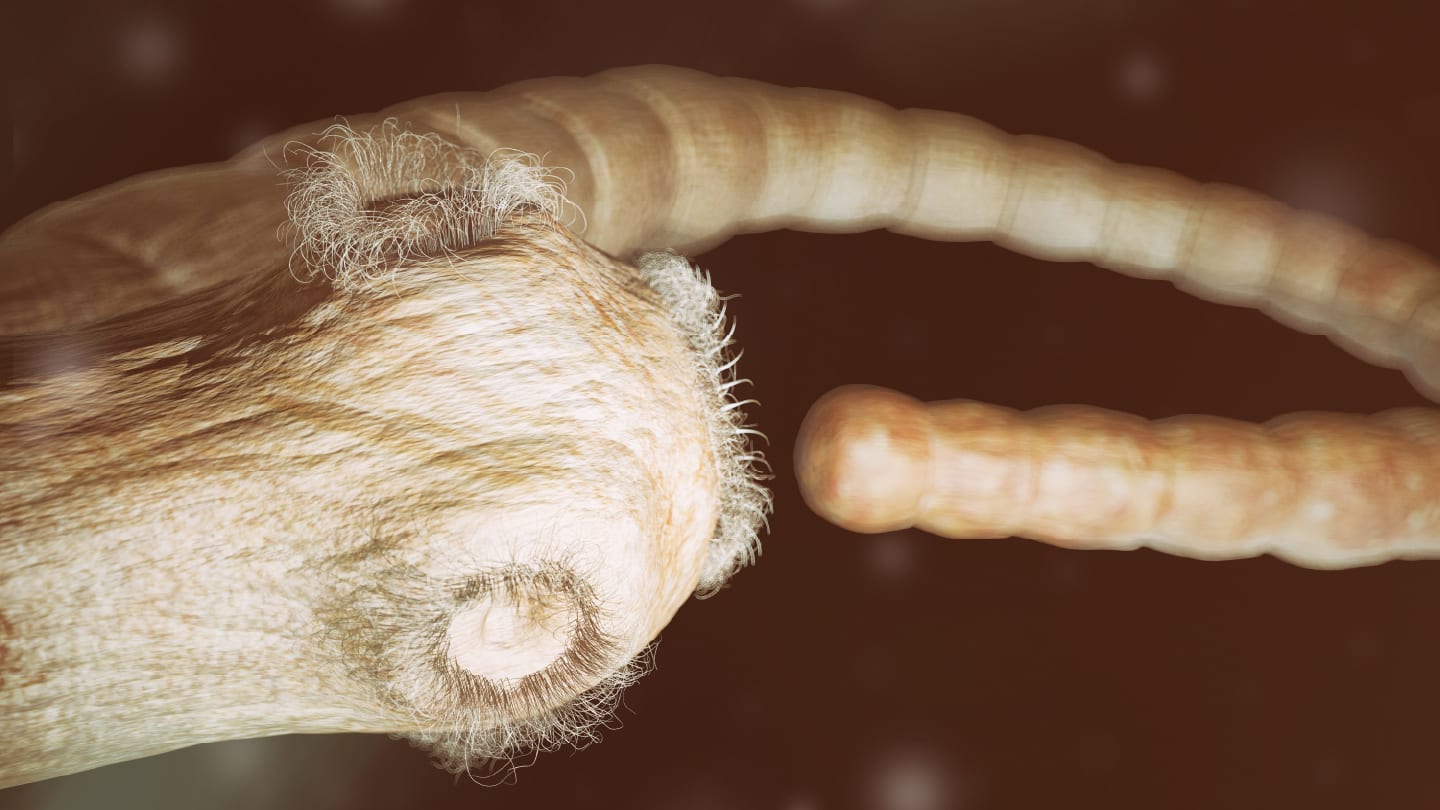
A recent study has confirmed the presence of Echinococcus multilocularis in coyotes in Washington State, marking the first detection of this zoonotic parasite in a wild host on the west coast of the United States. The finding suggests the parasite may already be established in the region and highlights the need for improved detection and monitoring.
E. multilocularis is a tapeworm carried by canids such as coyotes and dogs. Humans can become infected through environmental exposure, leading to alveolar echinococcosis, a serious disease that primarily affects the liver. Although rare in North America, the parasite has been reported more frequently in recent years.
In this study, researchers tested 100 coyotes using both traditional microscopy and molecular methods. Overall, 37 percent were positive for the parasite, indicating a relatively high level of infection in the study area. This supports the presence of an active transmission cycle in local wildlife.
The study also compared diagnostic approaches. Samples taken directly from the intestine were more reliable than fecal samples for detecting the parasite. In contrast, testing fecal material – especially samples collected in the field – missed some infections. This has implications for laboratories relying on noninvasive sampling, as it may lead to underestimation of prevalence.
To improve detection, the researchers developed a new sequencing-based method that can identify parasite DNA from small or degraded samples. Genetic analysis showed the strain detected in Washington is similar to one previously reported in Canada.
The findings highlight the strengths and limitations of current diagnostic tools. While microscopy remains effective, it is resource-intensive. Molecular methods are more scalable but may require careful optimization depending on the sample type.
Although human infection remains uncommon, the parasite can remain undetected for years, making diagnosis challenging. Increased awareness among clinicians and laboratory teams may support earlier recognition, particularly in regions where the parasite has not been widely reported.
Overall, the study emphasizes the importance of combining diagnostic methods and expanding surveillance to better understand and monitor the spread of E. multilocularis.
Newsletters
Receive the latest pathologist news, personalities, education, and career development – weekly to your inbox.